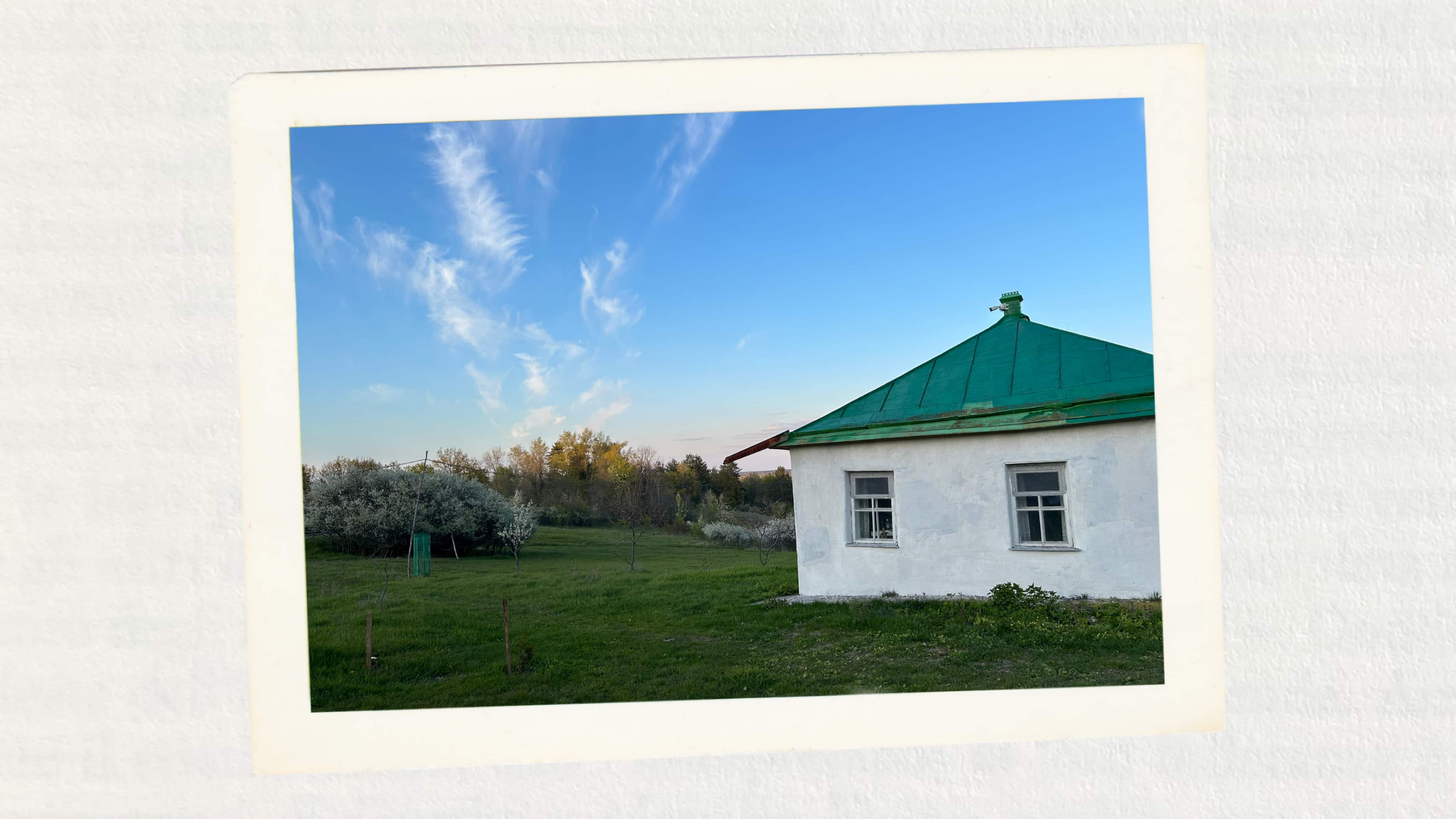
In an essay journeying through Ukraine and the UK, journalist and writer Lucy Fulford reflects on what home is when it is not a physical place, in times when others want to take it away.
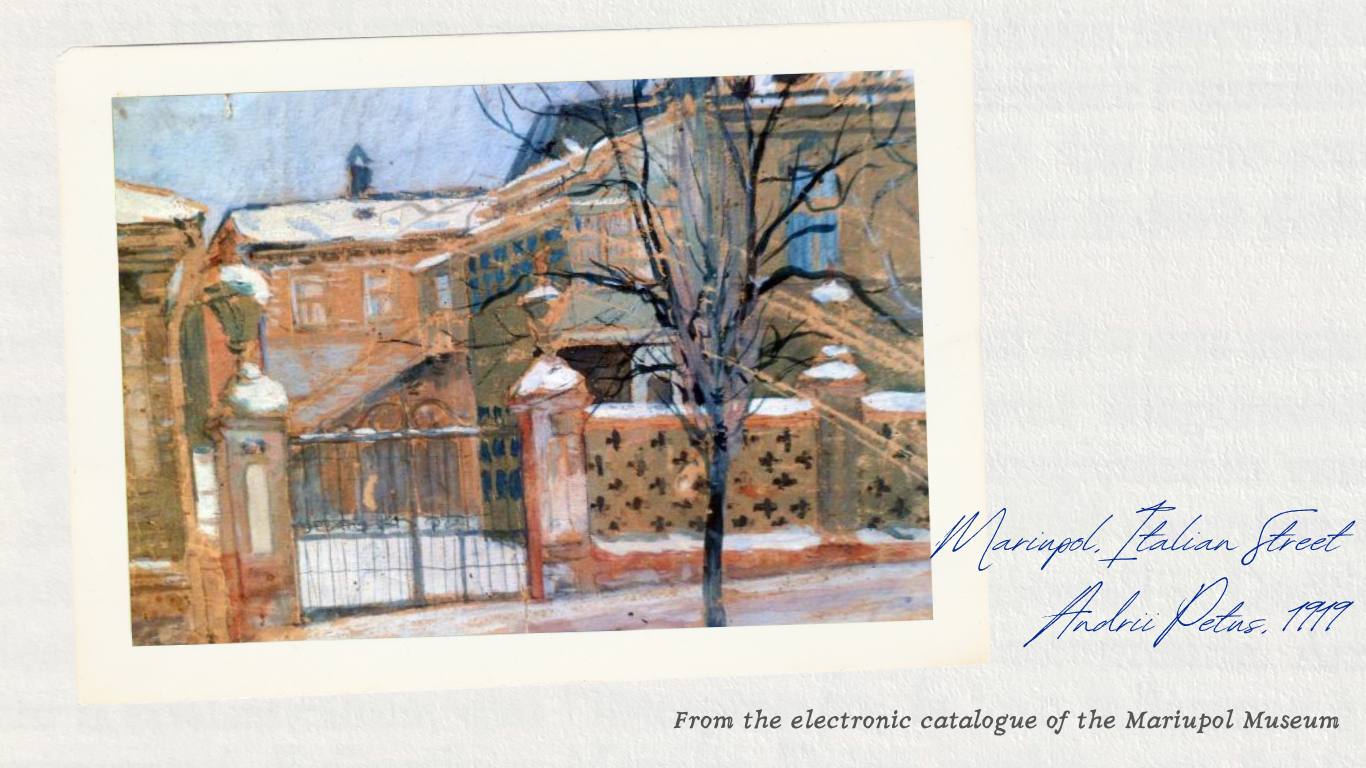
Viktoriia Savchuk Kennet, Ph.D, The Raphael Lemkin Society team member, reflects on how the Mariupol Museum, despite physical destruction and the removal of its archives, continues to restore the voice of the city.
I asked Alex how I might better help Ukraine. His suggestion surprised me: ‘Teach our soldiers English.’ His idea was that they needed something to look forward to after the fighting stopped, and their best skills now were as soldiers; they could apply their combat experience in security jobs abroad, as he himself had done in Afghanistan.
We had a notebook. I picked it up and started writing. Not because I believed in letters. In war, a letter is like a dry sock, a battery, a cigarette, chocolate or a sweet fizzy drink.
In this essay Jason Liu, a Taiwanese journalist and nonfiction writer, describes the all-encompassing surveillance that threatens the assumed safety of his room. He reflects on the differences in the struggle and resistance between politically tense Taiwan and battle-scarred Ukraine.
In a piece for the second issue, “In the Room of War,” of the INDEX online journal Narysy, she writes about sexual assault in times of war not only from a professional angle but also offers a woman reporter's perspective.
Dr Ashley Humphrey, a psychologist and a lecturer in the Social Sciences at Monash University, Australia, writes about the wellbeing of young adults in Ukraine and how to find it amidst the disturbing conditions of a full-scale war.
This is a hauntingly typical story of a Ukrainian woman living a full life amidst constant shelling, nightly descents into the underground, and the grim calculations of exactly what, and how many, missiles are headed for her city today.
How important is it to tell the story of Ukrainians as a nation at war without losing sight of individual tragedies, losses, love, joy, heartbreak, destitution, despair, and resistance against all odds?
This essay examines two characteristic responses of the Western left to the war in Ukraine—responses that, while often justified by moral concern, cause deep moral and intellectual confusion with real political consequences: the peacenik and the anti-imperialist.
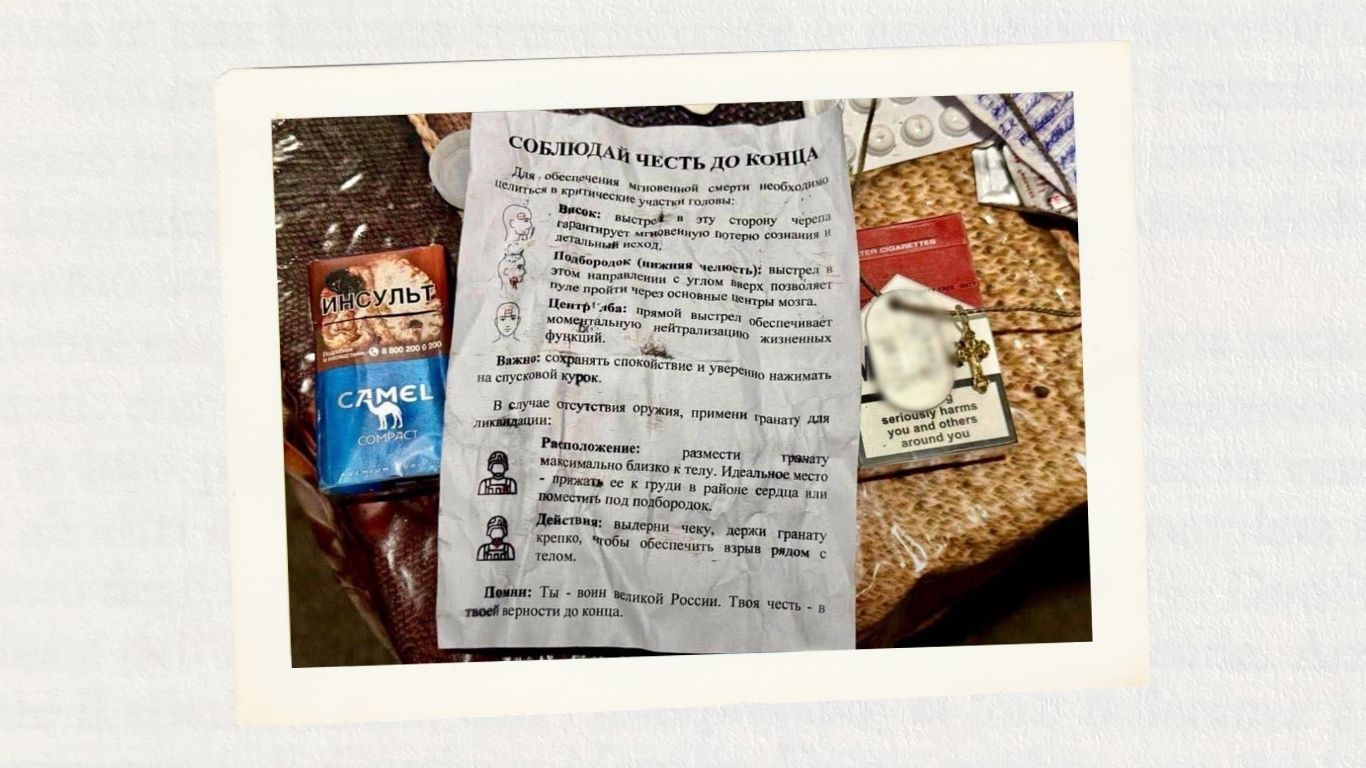
Emmet Brett (a pseudonym used for the author's personal safety) — is a British veteran of the Armed Forces of Ukraine. In this text, he shares his reflections on the war and the recruitment process from the perspective of a foreign volunteer veteran.
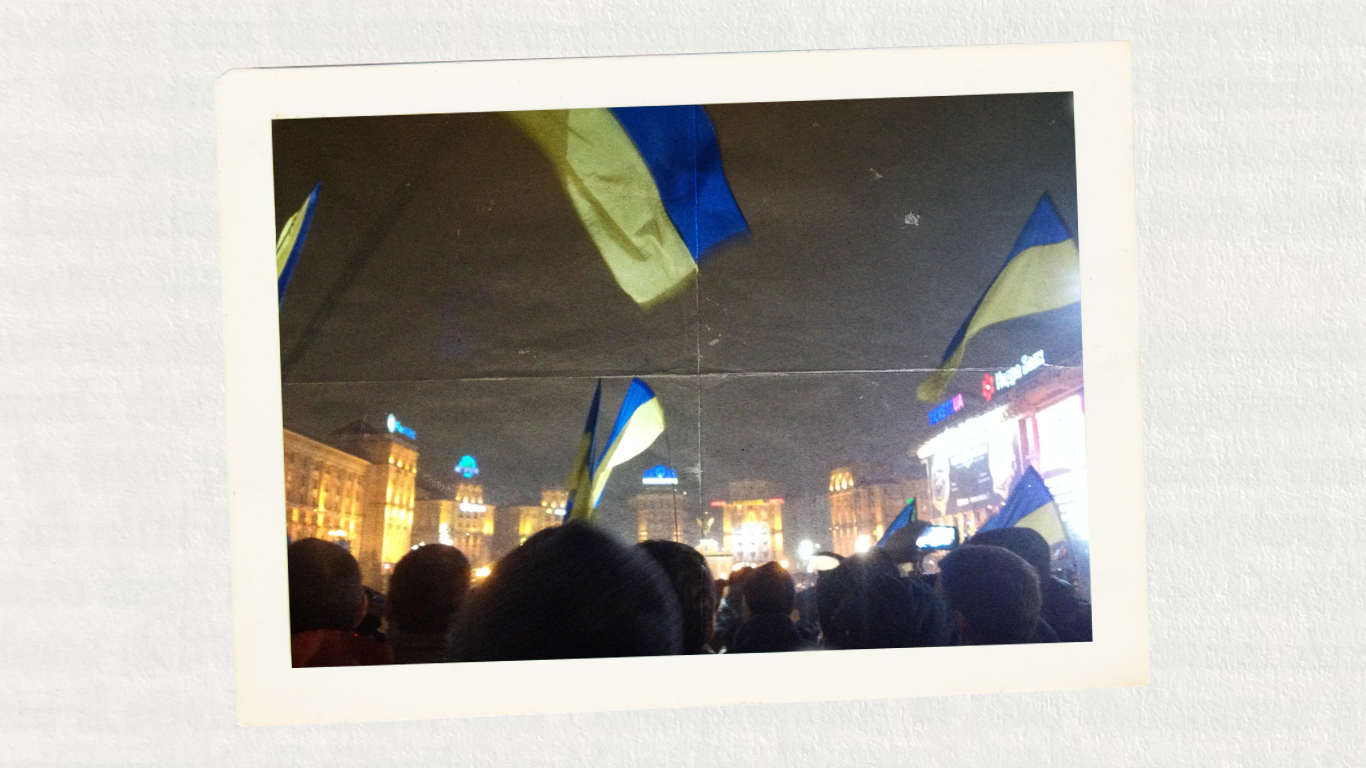
The INDEX board member, and political scientist Mariia Shynkarenko shared her thoughts on the role Maidan played for our future, and what we've learned along the way.