To know Donbas
An anthropologist who’s never been to the place she studies sounds wrong. The intimate knowledge of a place is a key component of ethnographic research, as seen in the works of renowned anthropologists like Margaret Mead and Zora Neale Hurston. Contrary to their methods, I’ve never been to Donbas, in any sense of it—I’ve never been to the city of Donetsk, never seen the terykony that dot the coal mining landscape, never seen the towers of Azovstal or Mariupol’s seacoast. For the first five years of my research about internal displacement from Ukraine’s eastern Donetsk and Luhansk regions—often collectively referred to as Donbas, the Donets Basin, although many now question the usage of this designation—I felt a deep sense of inadequacy, a gap in my knowledge that could never truly be filled. Donbas would exist only in the memories of the people whose interviews I listened to.
I spent hours poring over maps and photos online, figuring out that Bakhmut and Artemivsk are the same place, wondering who was posting pictures of occupied cities in 2018, and guessing at the names of cafés and restaurants that interviewees mentioned as places they missed after their displacement. I had to take their word for it that the city of Donetsk was a “diamond” once, as one interviewee put it, and that it has become a “shabby, dried-up raisin” since it was occupied.
As an anthropologist, I try to combine interviews with participant observation, joining a group of people in their day-to-day lives, and then asking them to talk about those lives with me. Sometimes what people say about themselves and what they do doesn’t seem to match—and ethnographic methods can help us understand how and why reality can be so complex.
But now, I can’t confirm or deny anything people say about Donbas. Nostalgia makes people remember fondly a place that probably gave them as much trouble as it did a feeling of community. Forced displacement makes this nostalgia even more profound. And even if they could go back there now, even if I could go there now, the place that they describe would not actually exist. Not because there is no more Donetsk, like there is no more Bakhmut, but because more than ten years of occupation have irreparably changed the cities that these research participants left in 2014 and 2015.
Yet there are flashes of familiarity in the stories being told by forcibly displaced people, anonymous to me, in interviews taken by someone else and then given to me because, as she said, as an anthropologist from Horlivka living in Lviv, she had too many political opinions about the narratives told to her, and she couldn’t analyze them with enough objectivity. (I’m sure I have just as many political opinions and just as little objectivity, but that’s another discussion.) These familiar moments remind me that there are many ways of knowing, and that sometimes physical presence in a place isn’t necessary to feel intimate with a place.
I was reading an interview with a 24-year-old teacher from the city of Shakhtarsk, Donetsk oblast, who was an active participant in the Donetsk Euromaidan protests and had to flee persecution at the hands of separatists after the occupation. He was describing the challenging decisions people in school administrations faced when separatists took over. Schools were asked to host the staged referendum, and refusal to participate would be a huge risk for any administrator (such as his own mother, as well as his colleagues). He continued,
By the way, there’s an interesting story that there’s this woman, Zemlianska, her last name, she was very corrupt even during Ukraine’s time. There was a women’s pedagogical school or something like that, and they of course had scholarships. And to get a scholarship, each one had to personally hand over 10% to her. Now she organises dances with those girls in support and praise of the DNR, of Zakhar or Zakharchenko… Well, now she’s sitting at the top …
As I listened to the recording of this interview, I realised that I knew that story. Not because I’ve ever been to Donetsk or Shakhtarsk, but because I once met Tania Kochenkova. Tania was a student at Shakhtarsk’s pedagogical university who, in April 2012, exposed exploitative practices and discrimination taking place at the hands of the school’s director, Natalia Zemlianska—the same Zemlianska mentioned in this comment, who, by the end of 2015, was “sitting at the top.”
When I met Tania in 2012 at a camp run by independent student organisations Priama Diia (based around Ukraine) and Student Action (based in Crimea), she was well-known among activists for bringing attention to the conditions in Shakhtarsk and the corruption within the bureaucracy. In my field notes, I wrote about Tania’s presentation during the camp—held in now-occupied Crimea—in which she described how students were not allowed to dye or cut their hair and had to keep it dark because the director hated blonds. They were required to clean streets instead of going to classes, and they weren’t allowed to leave their dorms, which never had any hot water after 6 p.m. Additionally, all the school’s administrators were relatives of the head teacher, who took part of the teachers’ salaries and student stipends for themselves.
Tania told us that she couldn’t find anyone at the school who would protest these conditions and practices, even though the students and teachers were furious. Tania contacted Priama Diia to help launch a campaign against the administration, which many Priama Diia activists—whom I interviewed in 2013 and 2014 during my dissertation research on student activism and the Kyiv Euromaidan protests—remembered as an important campaign that their independent student union supported. One Kyiv-based activist described the campaign.
For example, a few years ago we ran a campaign with one vocational college in the city of Shakhtarsk. Donetsk Oblast. There was a pedagogical college there, and a girl from that college wrote to us saying that the conditions were terrible because the student dormitories hadn’t been repaired for several decades. The ceiling was leaking, there was no hot water, and sometimes not even cold water. Students had to wash using a basin, with water dripping from above… And after classes, students were sent to do “work shifts,” meaning they had to clean the streets, collect trash, things like that. What these work shifts were for was unclear. Why they had to go do them was also unclear. If someone didn’t show up, their grades were immediately lowered or they were expelled from the college. It was all very awful. We carried out a very serious campaign in Shakhtarsk, and now the situation seems to be improving, as far as I know.
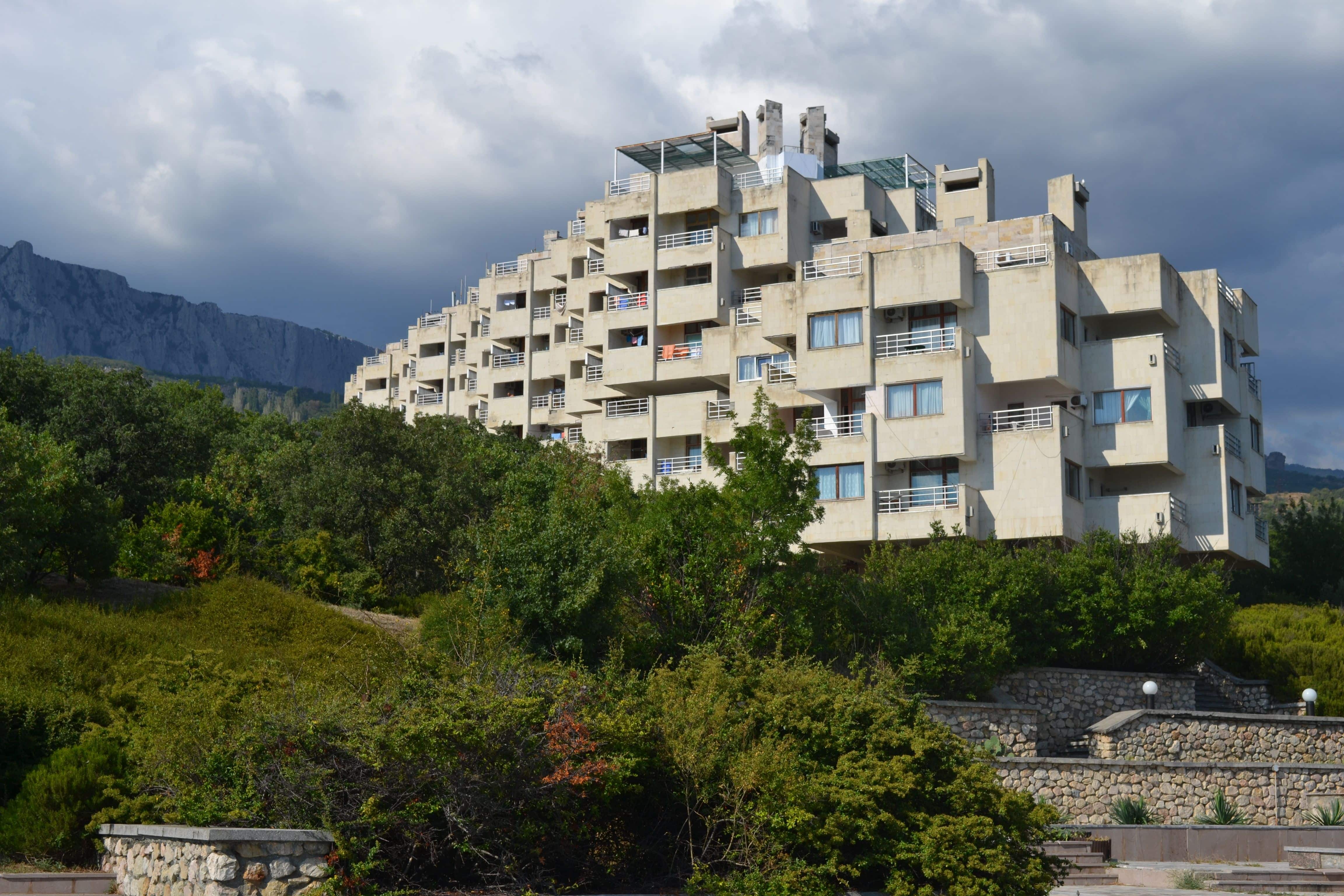
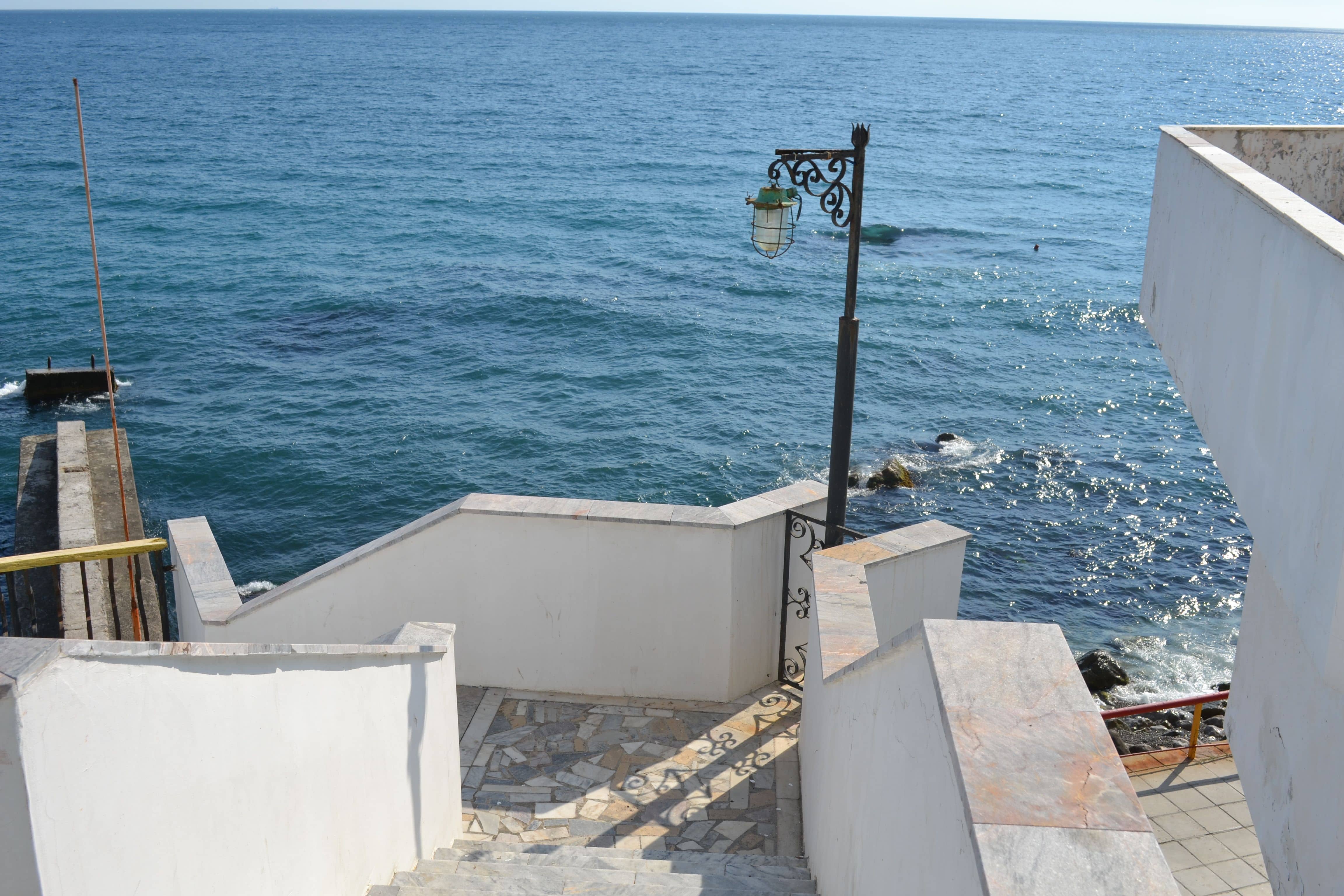
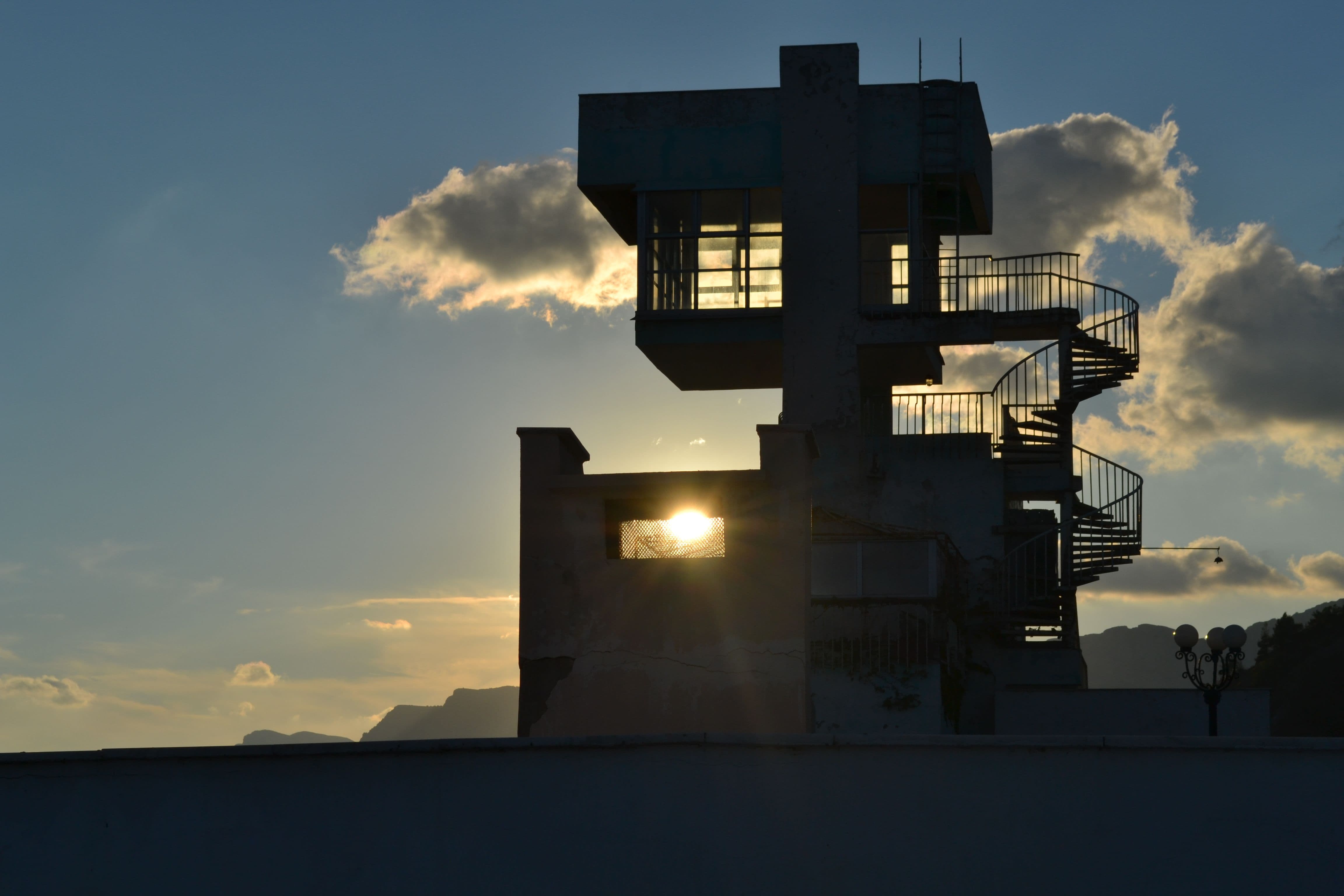
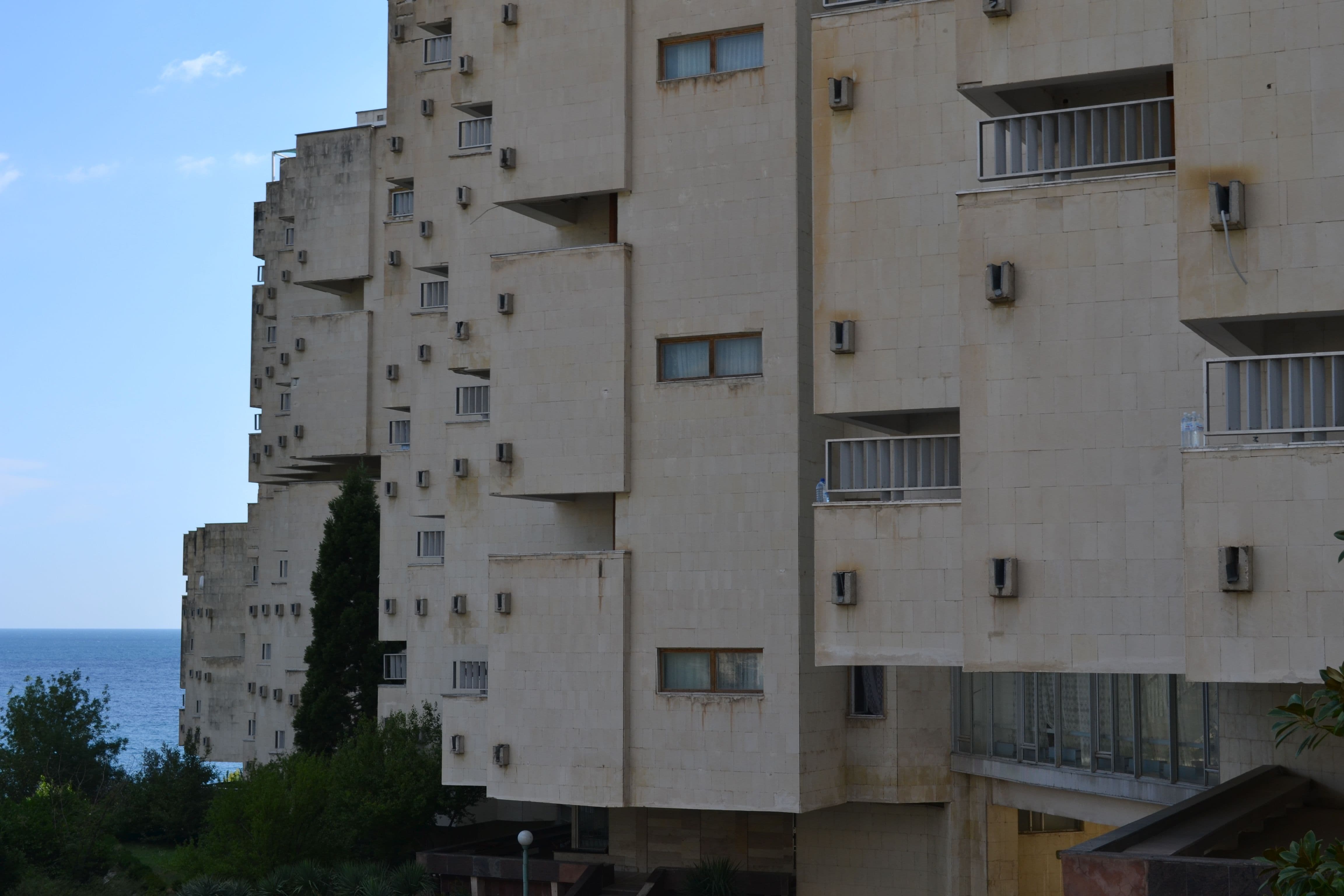
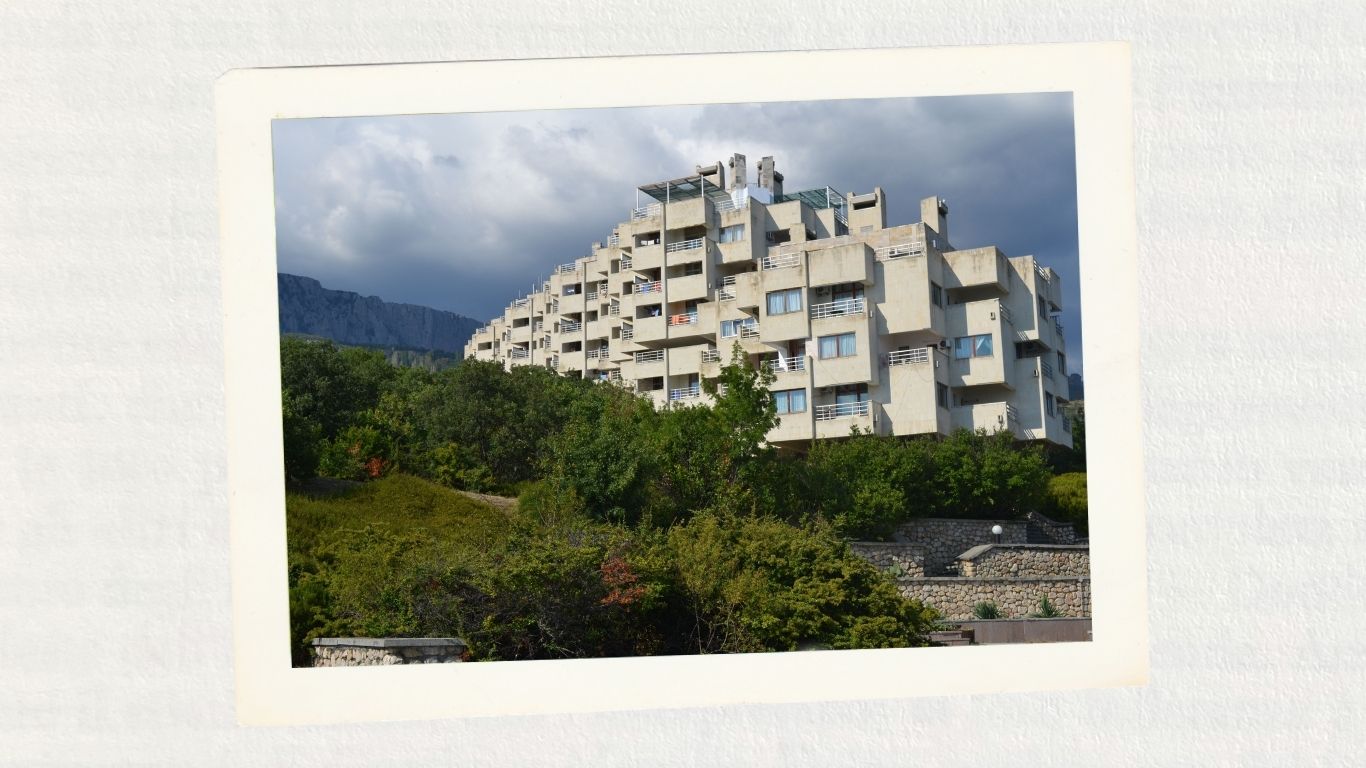
A photo of the 'Zori Ukrainy', a sanatorium in Crimea destroyed by the occupiers in 2022. That is near where we had the student organising camp where I met Tania Kochenkova, and I was with her when I took that photo in 2012. To me, it symbolises the brutality of occupying regimes and the way that their destruction contributes to our not knowing places.
As we learned from the Shakhtarsk teacher’s interview, however, the woman who most benefitted from this student exploitation sided with the separatists when they took over Shakhtarsk and remained in power in this institution.
Tania Kochenkova largely faded from my radar in the intervening years, having stayed in Donetsk after 2014 and never returning to student activism (though we remained Facebook friends for many years). But her story stayed with me, not only as a person who had appealed to Priama Diia and created the possibility of a successful campaign, but also as one of the few people I knew who stayed in the occupied territories and led what appeared to be a normal life there.
I was in Helsinki in the spring of 2024 when I listened to a young teacher from Shakhtarsk in December 2015 tell an anthropologist from Horlivka a story that she was hearing for the first time, but that I had known since August 2012. The life cycle of this story—Tania’s narration of it to other activists (and myself) in Crimea in 2012, activists in Kyiv relating it to me in the fall and winter of 2013-2014, and finally a young teacher using it to illustrate corruption in educational institutions in 2015—can only be traced thanks to my own knowledge that is situated not in Shakhtarsk itself but in the connections that ethnography allows us to see.
In her 2023 essay, ‘Losing the plot: On method and meaning in traumatizing ethnographic work,’ Jennifer Carroll writes, ‘Ethnographers trade in stories. We soak them up. We give them structure. We spread them in the name of “shedding light” and “giving voice.” If we do not have stories, it is hard to know what we have at all.’ Stories, like people, can be displaced, and sometimes their circulation is what gives them weight and meaning. I may not have been to Donetsk or Shakhtarsk—and the Donetsk and Shakhtarsk of these stories may no longer exist—but ethnography isn’t just about being there. It’s about listening, reflecting, and discovering what we can know and what we can’t, and telling the story anyway.