
Collecting recipes
People collect coins, matchboxes, stamps, and memories. People collect anything you can think of. I, for one, collect recipes — and recordings of air-raid sirens in different cities. Since the start of the full-scale invasion, I’ve been to Lviv at least five times, and each time I’m struck by the long script that accompanies the alarm: “Take your personal protective equipment, documents, food and water supplies.”
Another siren catches me on the way to the regional archive, and I wonder what exactly is meant by personal protective equipment. At first, I imagine a gas mask, or a Chernobyl-style hazmat suit. Then — something out of the 1960s science fiction: an individual force field. Or something more real, perhaps — portable jamming devices? In the end, maybe they simply mean medical masks. “Plague” and “war” once again intersect in a single chronotope, offering not only different ways to die but also different strategies to live — and, ultimately, different ways to speak.
At one roundtable, someone said that the experience of war always outpaces language. So, diving into war (no one asked whether we were ready for that leap of faith), perhaps it’s best to start with silence. Then, within that muteness, to reinvent and grope for words again — because in the future only what has been named will remain.
But words need space to emerge. How can one name something from within the experience itself? Is there any sense in trying to label the vibration you feel after a ballistic missile strikes the city center? Or that mixture of irritation, relief, and exhaustion when you buy a cup of coffee in a battered café — because there’s a 9 a.m. meeting, and another airstrike isn’t a reason to cancel it? Or the tender kind of fear, mixed with awe, when a friend sends a video: a white-noise hedgehog toy lulling her newborn to sleep so soundly he doesn’t even hear the Shaheds buzzing outside the window?
A long time ago — somewhere around the three-hundredth air-raid alert in Kyiv — I decided there was no point in forging new words. And if they were truly unavoidable, I’d rather save that craft for the edges of experience, not for the routines of civilian life. At that point I thought silence would bring relief, but…it didn’t. It grew sticky and heavy, and I sank into it with feelings of indifference, sorrow, and shame.
I reread my early wartime diary entries. Words like “unbreakable” and “victory” made me cringe. Comparing death to a music teacher felt absurd. What did I know about death then? Do I know anything now? Why do I look calmly at the neighbour’s parking lot on fire, yet panic at the thought of missing a train?
Now I realise that my strange habit of collecting recipes began as a way to cope with speechlessness. Instead of talking, I started listening — recording lists of ingredients and the chain of actions.
Rinse the rice thoroughly, bring the water to a boil. Once boiling, add salt and cook for fifteen minutes, then drain. Sausages are easier: drop them into boiling water, then remove from the heat after five to ten minutes. Because of constant shelling, cooking might take much longer. These are the notes of Liudmyla, a volunteer who evacuated people from Bucha in March 2022.
Lay bricks in the fireplace, place a wire rack on top, and make an improvised stove. Boil water. To mask the strong taste of smoke, brew tea with dried rose hips, herbs, mint, and raspberry twigs. That’s from Vlad — he left Irpin with his mother on March 11. Before that, he had practised making tea, frying fish, and baking cookies with pickle brine. There was no gas or electricity, but there was a fireplace.
Two kinds of dough — white and chocolate, with cocoa; layered fillings of cheese and poppy seeds. The Vyshyvanka cake requires patience. Oleksandra from Mykolaiv baked it for Easter. That day, her neighbourhood was heavily shelled. The city had already run out of water, but she kept baking.“It’s not household heroism,” she told me. “It’s a kind of meditation.”
Liudmyla said the same about baking bread. Olena — about making plum preserves.
“I stopped reacting after the third explosion,” Olena said. “At that moment, I was heating the drained syrup on the stove.” A few days later, she brought me a jar of those plums as a birthday gift.
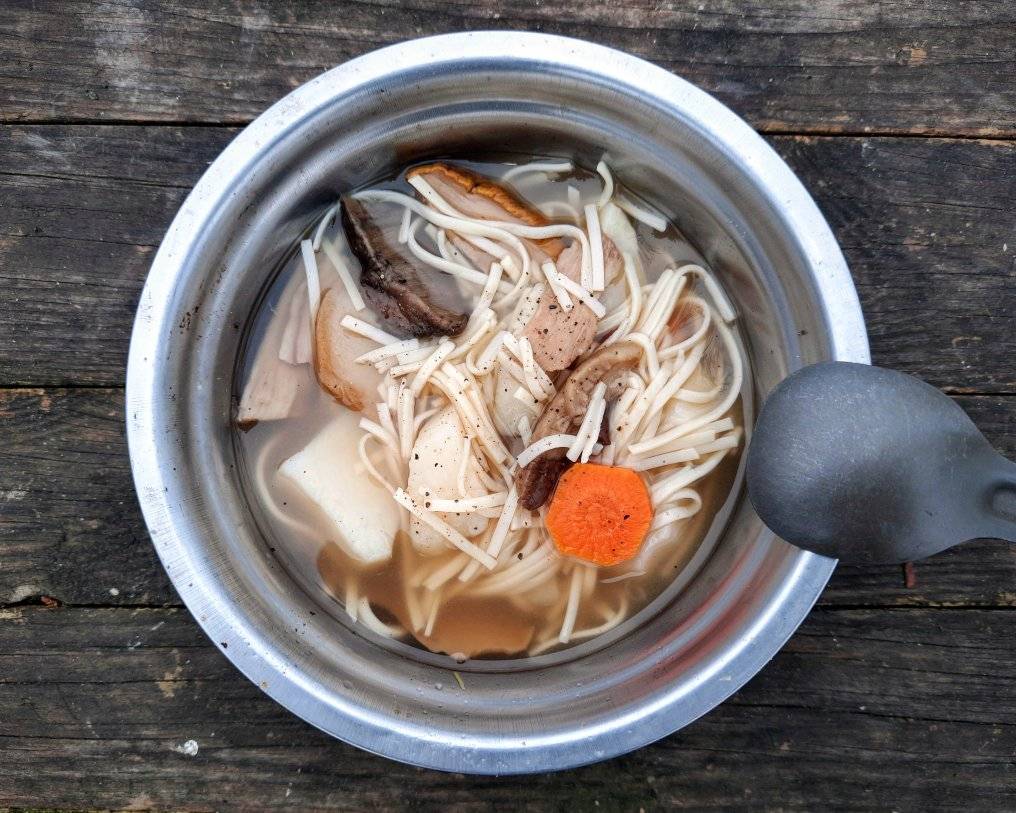
Mushrooms, noodles called “lashky” in Zakarpattia; local vegetables: potatoes, onions, garlic… and, of course, spices. Thrown together in a pot, they make a mushroom soup, traditionally cooked on Christmas Eve. Vladyslav prepared it for the first time for his unit in a village on the Kharkiv border. Living in houses was already too dangerous, so he cooked it on a small iron stove in the basement. The next year, he made it again, in the Sumy region.
Maksym told me how to make kutia in a basement: “You need to find an empty bottle. Soak the wheat, add honey, poppy seeds, walnuts.” Then he added, quietly, that he ate it alone. The others in his unit didn’t want any. Maybe because there were too many rats around.
Wash carrots, celery, and onions. Roast until blackened. Transfer to a pot, cover with water, add dried porcini, garlic, and a bundle of parsley. Once the broth begins to boil, add spices and kombu seaweed. Ten to fifteen minutes before it’s ready, add noodles. A year ago, my friend Yevhen, a chef, cooked this soup for “graduates” of the SUPERHUMANS rehabilitation center. This autumn, he is wearing a military uniform. Like Mykyta. And another Mykyta. Why are there so many Mykytas among chefs?
“We don’t want to make a product tied to suffering,” Yaroslav once told me. “When someone buys meat in a supermarket, they don’t see the killing, they don’t think about it. But it still happened.”
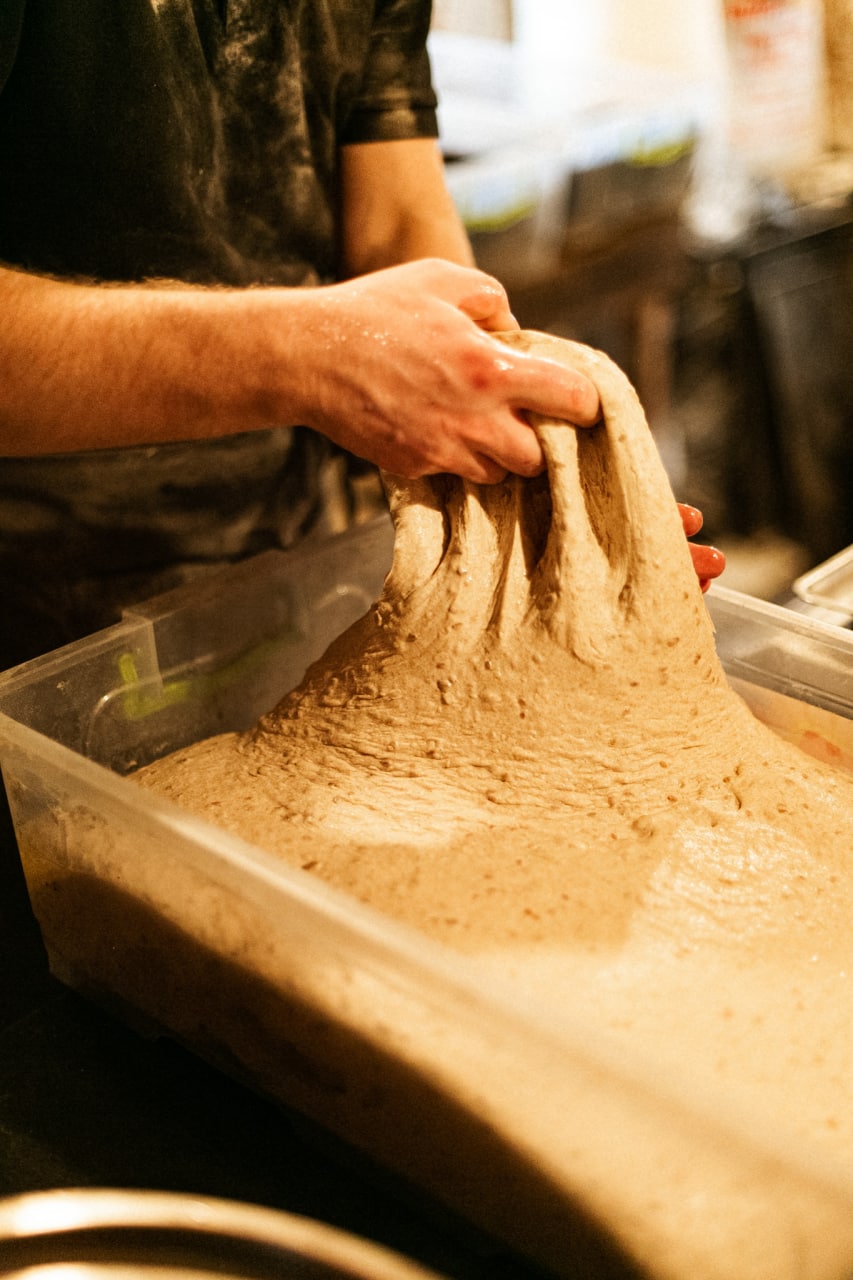
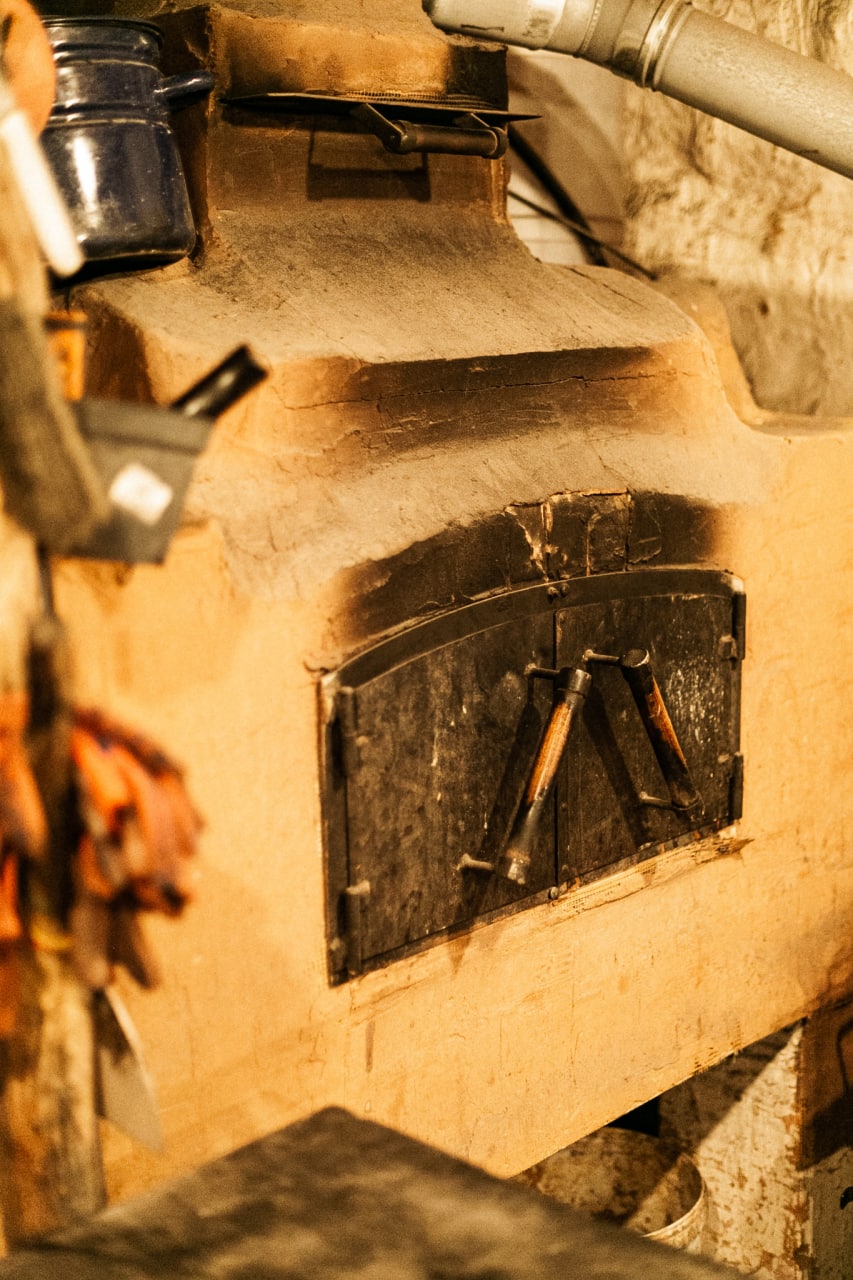
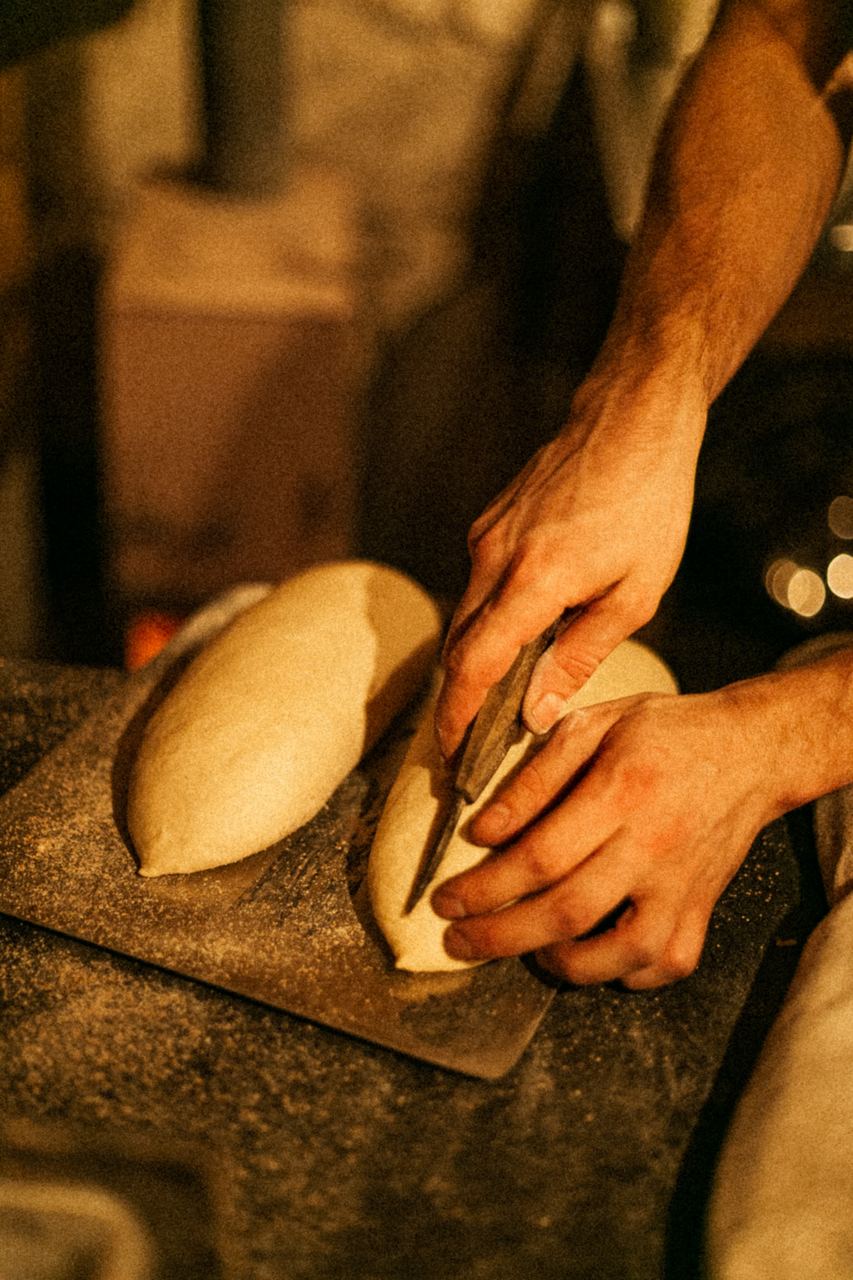
That’s why he baked bread. Just starter, flour, water, and salt — nothing from animals. It feels like an eternity ago. He’s long been in the army now, and his “Khatynka Pekarya” (Baker's hut)is run by his mother.
Before planting her vegetables, Liudmyla from the village of Dovhenke had to clear her garden of mines. She did it using a long stick, a pot, and a brick. She cleared the soil, grew corn, and shared it with volunteers. Later they founded the “De-occupation Shop,” a project helping residents of front-line villages grow produce, buy their harvests, and find ways to sell it. “It’s more than money,” says Meryem, one of the organizers. “Though financial support matters, it’s also a reminder that they are not alone.”
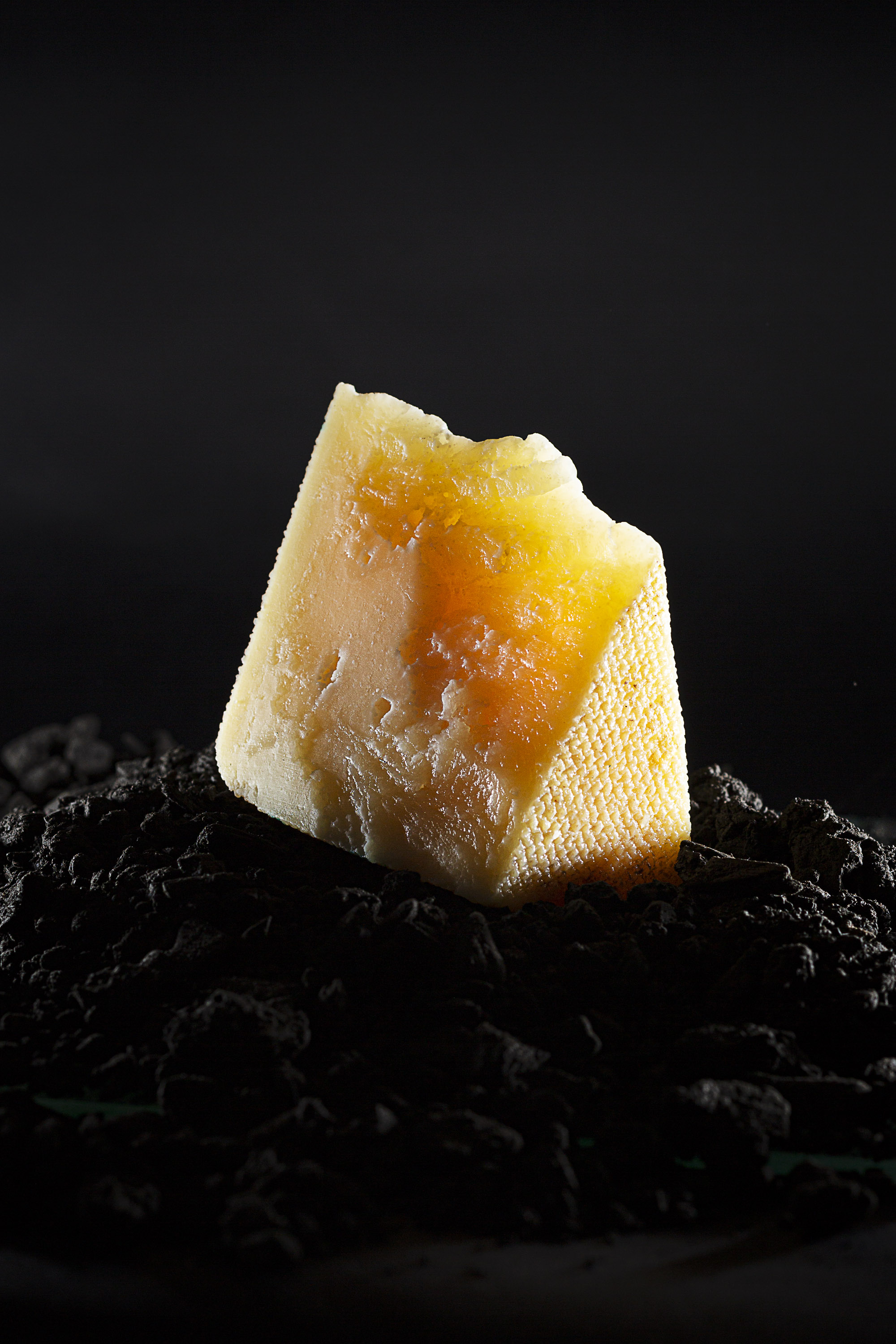
“The main feature of this cheese,” says Nika, “is that it’s made from raw goat’s milk and real rennet. It’s as wise and untamed as the man whose memory I wanted to honor.”
Once a year, in May, she makes several rounds of this cheese in remembrance of the cheesemaker Oleksandr Kononov. He was an extraordinary man. He had lost an arm and a leg, yet his will to live remained unbroken. He began raising goats and making cheese. In 2014, he was captured by Russian forces for helping Ukrainian soldiers in the Luhansk region. After his release, he kept working and volunteering. On March 12, 2022, he was shot dead in his own home.
I remember the piece of Sanych cheese Nika once sent me. It took me a long time to find the courage to eat it.
When I finally opened the audio recordings from my residency, I find there the recipe for the coffee Andrii Vavilov liked. The recipe for waffles that Maryna baked for her husband in the Donetsk region — the ones she is serving now in the café she opened in his memory.
The number of such stories runs into the hundreds, and I still haven’t learned how to write about the war. The war took away my words and left me these recipes instead. The uncertain memory of voices, tastes and smells. There’s so much pain, love, hope, and gratitude in them. So much of something I will spend my whole life trying to name.