
Music From A Broken Pencil Sharpener
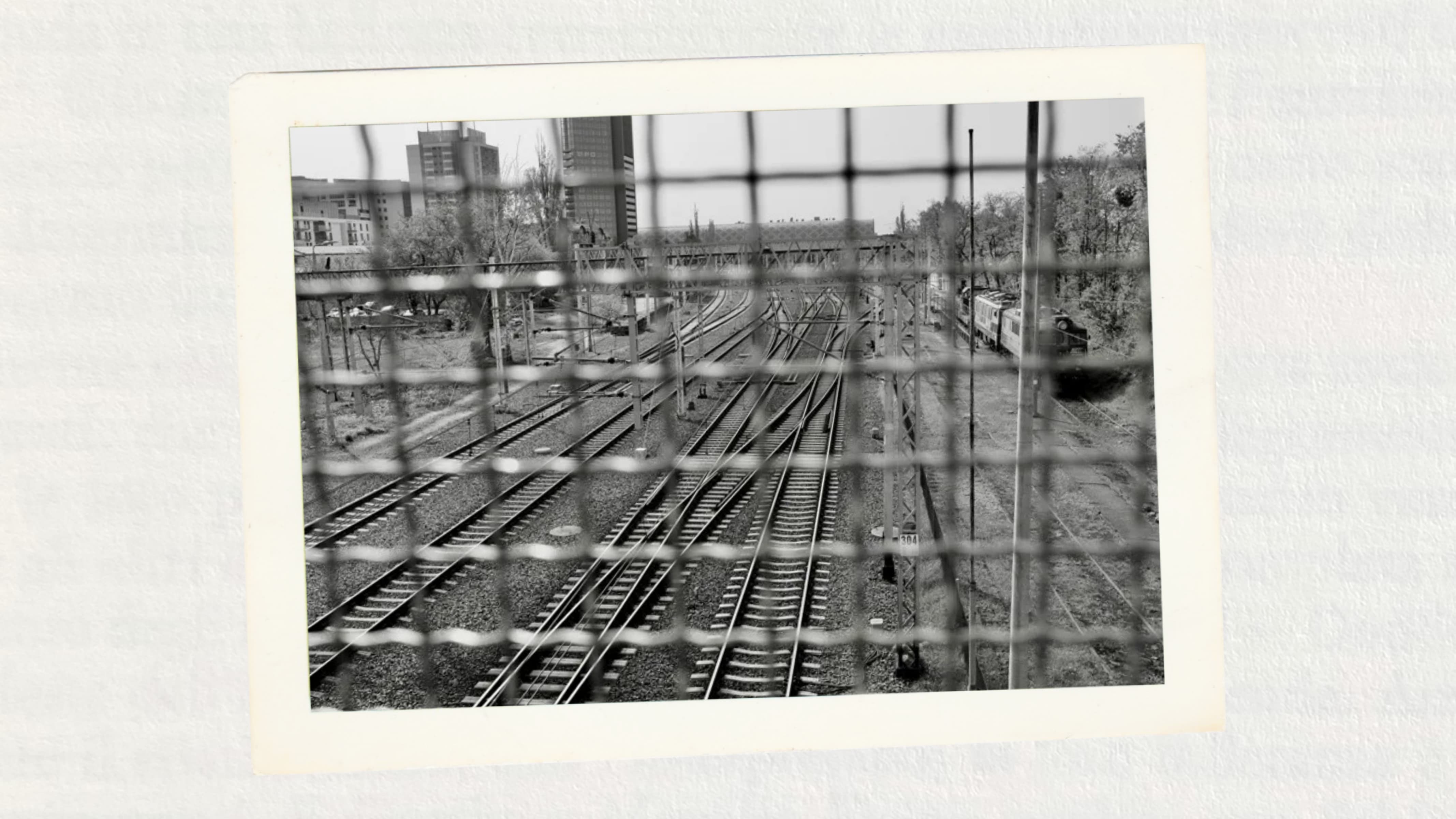
…And what did you take?
I took only this story
Here, I’ve brought it out into the light
It grows.
Victoria Amelina
'A Return Story'
Translated by Uilleam Blacker
In a tiny shop packed full of various items that grownups are accustomed to considering pointless frivolity, rubbish, I unearthed two vintage pencil sharpeners. I don’t know how old they were. I was a sullen teenager who pretended she didn’t want to listen to organ concerts in a half-empty Yalta church, but who in fact absorbed every note and every silence between them, the sounds of the rain on the church roof, the quiet whispering near the entrance, and the iridescent burst of laughter.
I was the happiest unhappy person.
A person is always that unhappy when they are fifteen. The happiest unhappy person on the planet. You walk amongst giant trees in botanical gardens and sense shared secrets taking root between you, like the invisible connection between the palm tree and the felled poplar under your window. Between the poetry collection in your bag and the water lilies in the lake. Everything rhyming: the cloud and the romantic crush, the funicular and the music in the tangled earphones. It takes your breath away—you have an intuitive sense of how this moment will stay with you forever, of how it will sprout like a bitter pit, will put out roots.
What hurts in my solar plexus?
The absence of the possibility of returning hurts in my solar plexus.
I say the word: home
And then I remember our first apartment, the swing, the yard. I remember R, who our classmate hit right in the solar plexus in front of me. Calling the ambulance, her mother in a rage. A few months ago, I find out that R has died. And with her, one of the connecting threads to home, to what I could still consider as home, has been cut.
Maybe he was aiming for her home?
Sometimes it seems to me that the most important feelings – if they have a place in our body – accumulate around about here. They migrate from the heart and seep through the ribs to the solar plexus. Perhaps we carry home somewhere here, in one of the most vulnerable places in the human body. And when there is a direct strike on this spot, where the pain of homelessness has concentrated itself, we experience it as: our home has been hit.
I was a teenage insomniac who wanted to sleep during the day and live at night. I roamed around the world and half-consciously collected stones and memories. As if I knew in advance that they would be needed: memories – for tears, for feeling alive, for the silence between explosions, for poetry and for novels, my own and others’, for quiet, face-to-face conversations. Stones to be able to give out, without even thinking about it, to people you sense in this moment need a 'gem' like this. After the annexation of Crimea and the start of the war in 2014, I gave away all my Crimean 'gems'. All the things I had brought from Crimea. A seahorse. Books. A compass. Notebooks. A friendship bracelet. Poems. Another friendship bracelet. Tens of handwritten pages of something that resembled a stream of consciousness, a letter, simultaneously a diary and rubbish. Most of my treasures I decided to give away as gifts, some of them I lost, and some I wore out. Now I go around with empty pockets. I gave these things away only on one condition: the decision had to be impulsive, not rationally thought out.
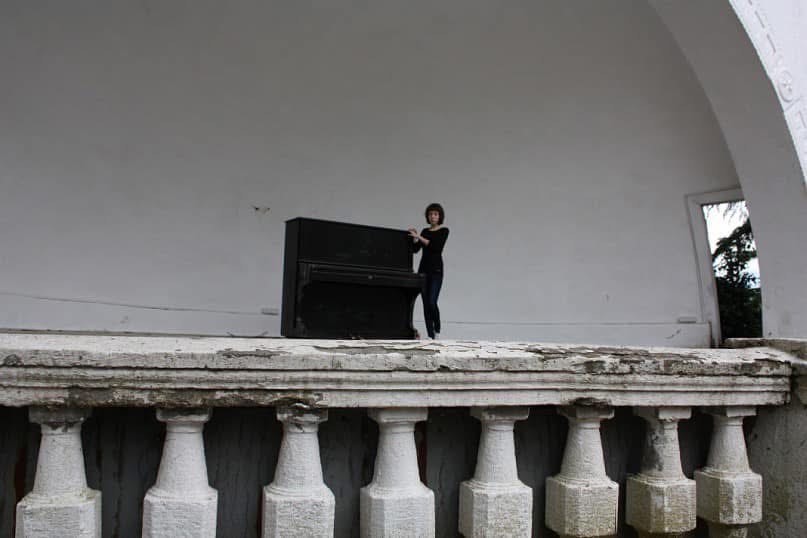 Anna Gruver's archive photo, Yalta 2010
As a person born in Donetsk, it was difficult for me to get acclimatised to the Crimean air, and I always suffocated for a week, in a very literal sense. I gulped the clean mountain air and it triggered in me, poisoned since childhood by factories and mines, an allergic reaction, almost attacks of asphyxiation. Somewhere in the depths of my bronchial tubes I probably carry, apart from coal, some of that clean Crimean air. It’s why I have this cough. It's what wakes me up at night, and I’m grateful to it: it reminds me of the stairs under the green arches, that were so lovely to get lost in, not looking for the way back.
I know that the privilege of having a home is not having to look for the way back.
Otherwise, you grow up and secretly are constantly looking around: is this my home? You look at people: are you my home?
And somehow you always miss the target.
…We talk so much about home. We look for the right words to describe our own suffering. We try not to scream and cry, but at the same time not to look too indifferent. Most often, it seems to me that there is no sense in any of our conversations. To talk and not reach a goal – it’s like having very vigorous sex and still not reaching orgasm, and not being sure if your partner did, either.
You say the right words and feel how they fall soundlessly into the void, echoing back from the bottom of an abandoned well.
You look at the people listening and think: what’s wrong with you? Do you even have any empathy? You look at them and think: what’s wrong with me? Are frogs falling out of my mouth, like in some Hans Christian Andersen fairy tale, instead of words?
What is it like, not having a home? You know, not having a home—it’s something like: you had a home, and now you don’t have a home, and you’re never going to have a home, that’s it, you’re just homeless, and you have to live with this homelessness-fox inside, somewhere around the solar plexus—in the end, you just want to answer tiredly and listen to the silence.
I never knew how to write essays at school. Define the problem. Articulate an opinion. Provide supporting evidence for your arguments. Write conclusions. I always got the lowest marks. Maybe this is why I became a writer? I didn’t know how to write essays, and now I don’t know how to explain in two hours and eight thousand characters what it’s like not to have a home.
They say I’m a good speaker, but the wrong kind of victim.
Especially when it comes to explaining suffering.
I’m not doing too badly.
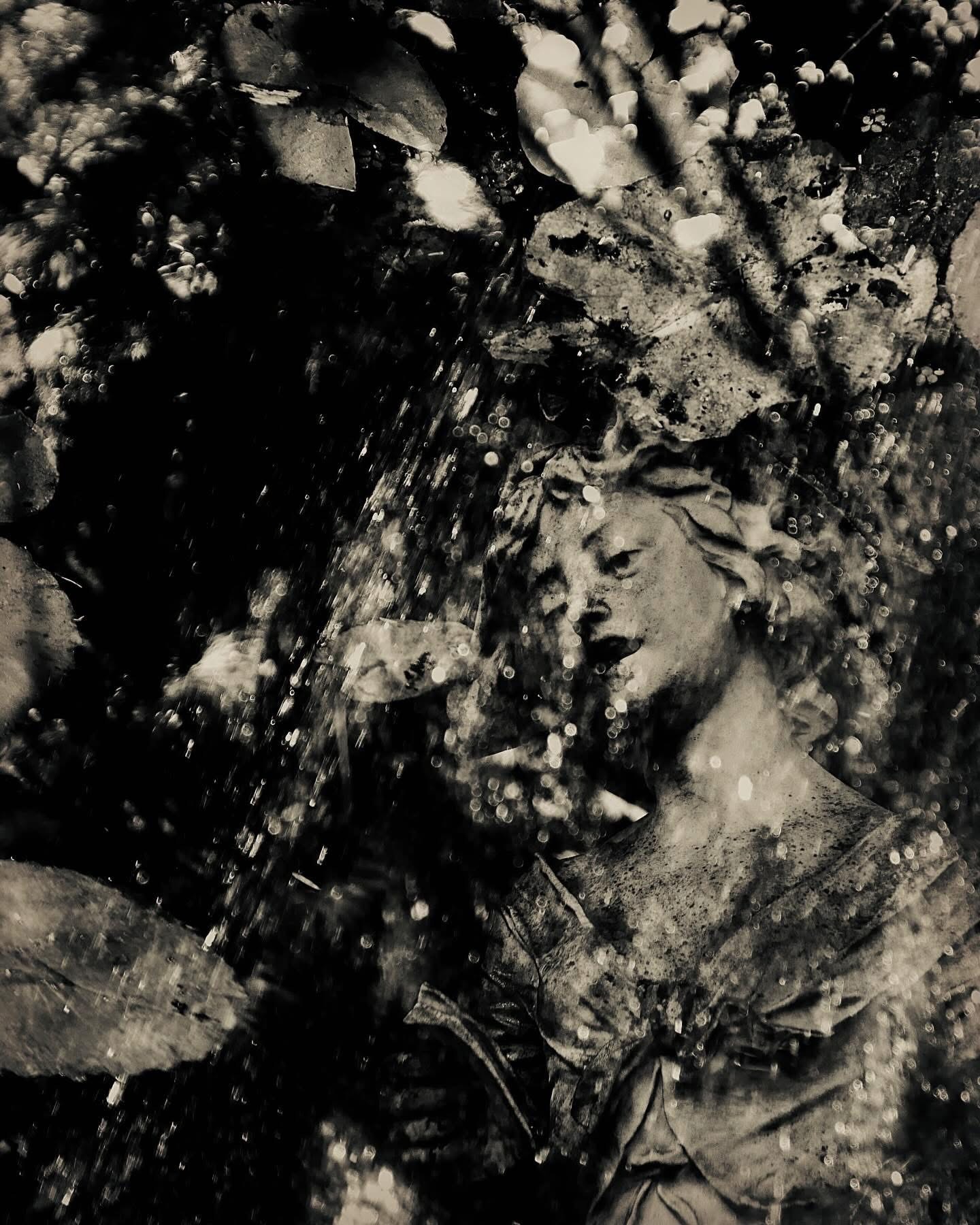
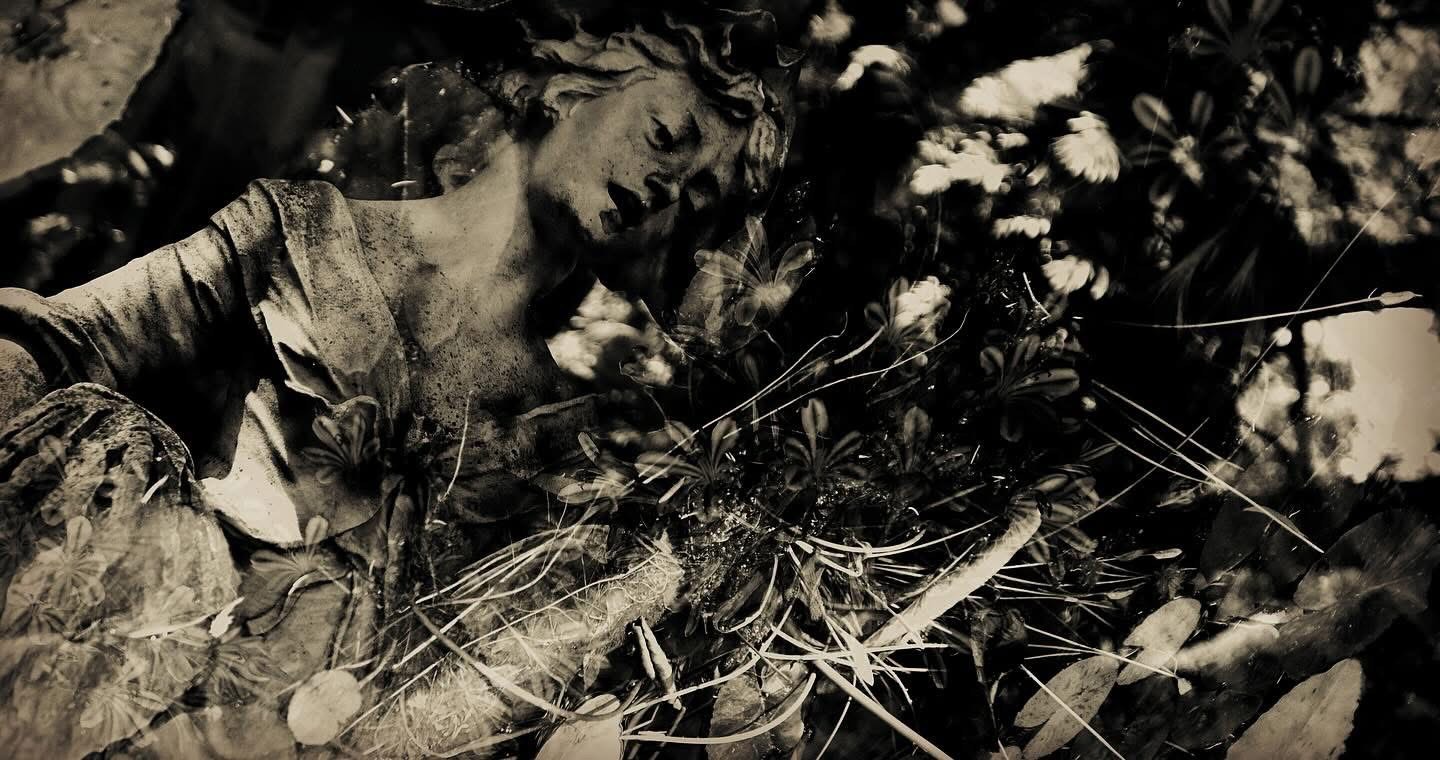
I have only one thing left: the pencil sharpener from Crimea. A broken pencil sharpener in the shape of a piano, with a lid that opens. There was just one time I regretted not having the pencil sharpener with me, to be able to give it away, too. The last thing.
When the full-scale war broke out, it found me in Kharkiv. The flat I was renting was damaged by a blast wave. After the first ten days, we left the East again, for a different East. This time, to Dnipro. In Dnipro there were signs of civilization – people wore masks, the cash machines worked, the sirens howled. Everything around us wasn’t exploding and there were no fighter jets whistling overhead. This was a shock. The tea kettle whistled. A friend from Lviv called me, as if from another, third reality. There were online international readings (I joined from the darkness of a room with blacked-out windows, they were still recommending we do this at the time). People joined from America, and this was a fourth reality. Reality was disassembling and at risk of dissolving into pixels. I decided to go and volunteer at a shelter near Dnipro. I read stories aloud for children on a hastily created telegram channel, as if it could stop the war. And I did art therapy with the children in the shelter.
There was a little girl called Diana, whom I taught to play a simple little melody on an old 'Ukraine' piano. I will write about her and this story later, in my second novel. At the time, I didn’t know if I would survive until the evening.
She diligently, confidently, and precisely pressed the keys one-by-one after me. I’m sorry, Diana, I left the pencil sharpener in Kharkiv, I would have said to her. But I couldn’t find any words. And Diana probably wouldn’t have understood me and my weird Crimean pencil sharpener, anyway. She would have understood everything even without words, if I’d been able to show her what I was talking about. There was also a little girl in the shelter who was drawing a dog, and I thoughtlessly asked her about him. It turned out her family had had to leave the dog behind under shelling. Now I’m thinking maybe the dog’s name was Dominic. Like in Victoria Amelina’s novel Dim dlia Doma, Dom’s Dream Kingdom.
Hi, Vika. In 2022 you said hang on in there. It seems we’re not hanging on in there too badly. So they say. We are trying not to fall into pathos. We’re not always successful. I’m listening to Radiohead and writing to you. I’m answering your question:
…And what did you take? / I took only this story / Here, I’ve brought it out into the light / It grows
We all carry this story—passing it on from person to person, sometimes like a brick, sometimes like precious bread—a story about returning, however hard it may seem to us. But when those held in Russian captivity return, they don’t return alone—they also return to us the hope of home being returned.
I listen in closely to your words and the silence between them. Your words have become a signpost. I took words with me. Words and a pencil sharpener. I’m looking for home.