
The Ache for Home Lives in all of Us
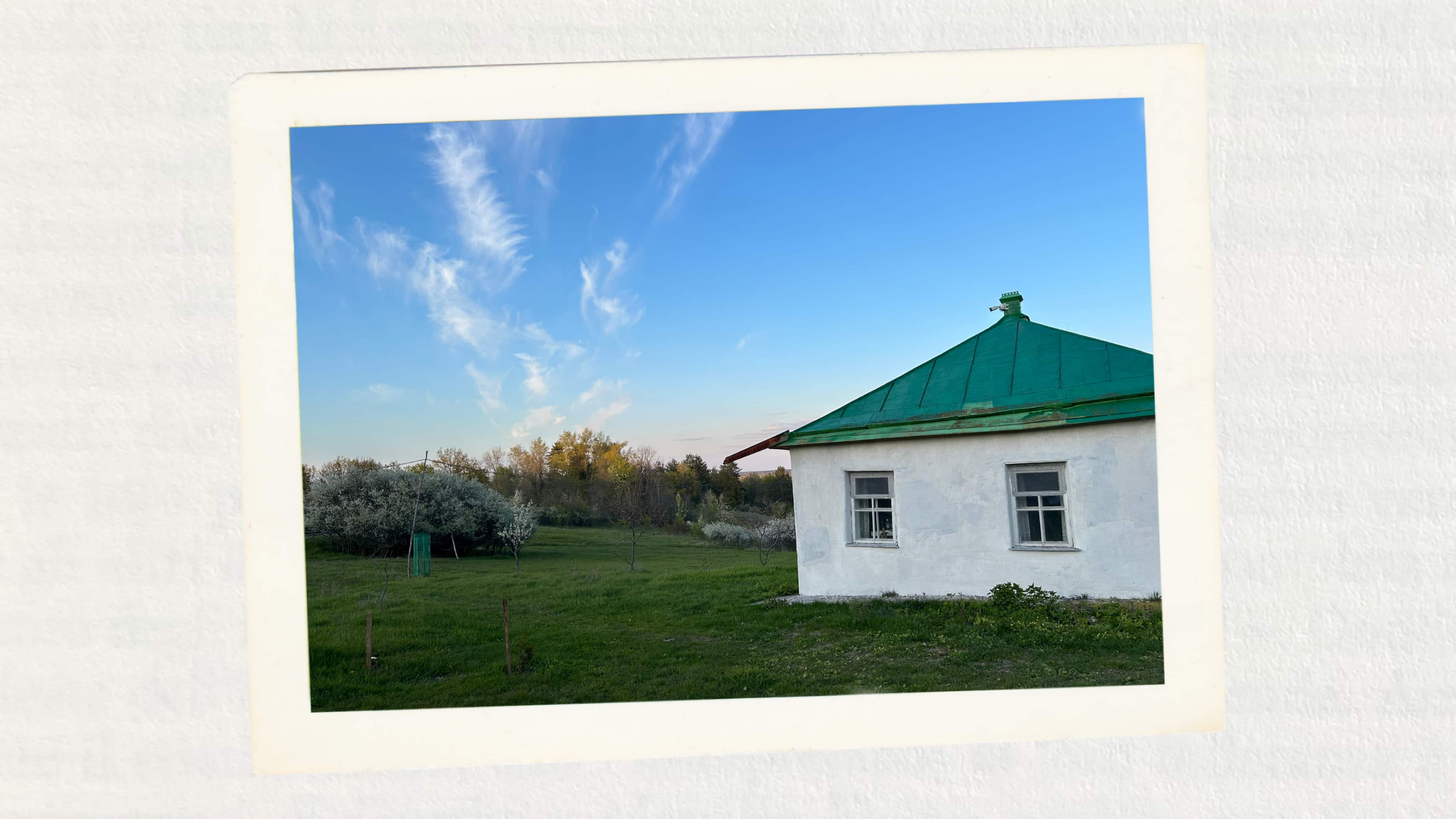
There is a Ukrainian flag flying above the door of one of the buildings outside my apartment in Lviv. When I open my curtains, my gaze falls on the yellow and blue, bright against the muted, pastel yellow-orange walls that typify the city’s architecture. I can judge the mood of the day from this flag—whether it is falling lax, gently waving, or truly flying in the wind—while getting a daily reminder of an identity under attack.
When I first came to Ukraine in 2018, I was struck by the presence of flags everywhere, from official buildings to the concrete bus stops along rural roads painted sunnily in the colours of the sky and the land of a country resisting assault. I was in some ways envious of this relationship with a nation the ubiquitous flags signified to me, of the post-Maidan energy and quiet sense of hope which I could not find in the countries I come from.
While reporting in then-frontline towns in Donbas, I saw a divergent group of the elderly and the young who were choosing to stay under testing circumstances. I met grandmothers living in bullet-riddled houses, who had no intention of going anywhere. The Russia-controlled forces had been pushed back, and besides, where would they go anyway
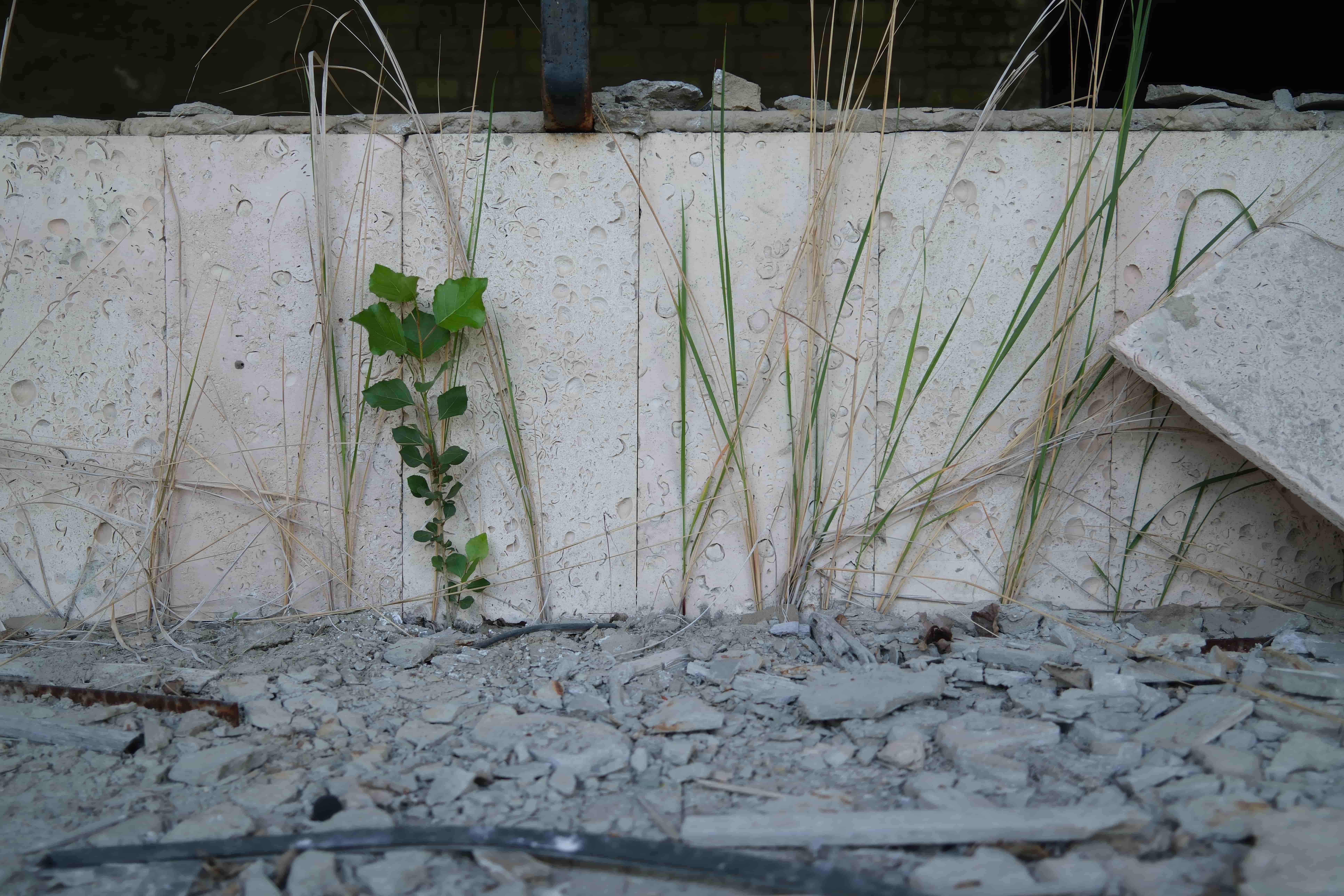 Lucy Fulford’s retrospective: the consequences of war
I could understand the pull of this decades-long connection in the sunset of life. At an aid-delivery station in a village so close to the frontline we had driven between opposing positions to reach it, I initially found it harder to relate to the young mothers living by a grassy playground we were advised not to walk on in case it was mined. One woman took me into her house and showed me the writing scrawled on the walls by the soldiers who had previously occupied it.
She had fled with relatives to Russia in 2014 but felt such a dislocation that she came back to what she saw as her place in the world. It’s something I have since heard from many who left Ukraine in 2022, often to European countries they had had relationships with, only to find that being there as a refugee tore up their previous contract with that country, and they would rather return home. We all want to feel like we belong.
It’s something I have grappled with myself, as a child of many places—Australia, the UK, India, Uganda—which has led to my interest in displacement and belonging. I’ve spent recent years deep in an exploration of my roots while documenting the expulsion of South Asians from Uganda in the 1970s, a book project which had a greater impact on my own feelings of multinational identity than I had anticipated.
Coming to Lviv to spend three months with INDEX on the Victoria Amelina Fellowship researching finding home in wartime and documenting internal displacement has allowed me time to think about home, while making myself a temporary home in a city new to me. In doing so I found the familiar ritual of getting my bearings in an unknown place to be punctuated by the less familiar rituals of life under war: power cuts, air raid alerts, and pausing for the funeral cavalcades of fallen soldiers.
Being in Lviv was at first a form of remembering, as I recalled the signs of war in Donbas and placed them in dialogue with what I now saw five years into the full-scale war on the other side of the country. I was looking for war—from the haunting sounds of the trumpet played by a military veteran with the bombed Bernadine Monastery in the background, to the underground shooting range with the outline of Putin’s face cheerfully displayed on the targets—but more often finding life—in the burger restaurant incorporating their diesel generator into their branding, painting melting cheese dripping down its sides, or the bunch of brand new red and pink roses thrown ceremoniously into a bin, perhaps by a lover scorned.
At every corner I saw how life goes on. Meanwhile displacement felt like such a universal experience, also historically and generationally, that at times I wondered how I could realistically portray it. My conversations revealed the nuances of what cannot be typified as a collective experience. How home grew quickly for some in the first year of the big war, as it forced a reconnection with the value of a house, a home, or a homeland. How people stay for all kinds of reasons beyond a tie to home including out of principle, practicality, or a lack of options. Like a young woman who was injured in an attack on her city in Donetsk Oblast just two weeks before she planned to leave when the rent on her shop expired.
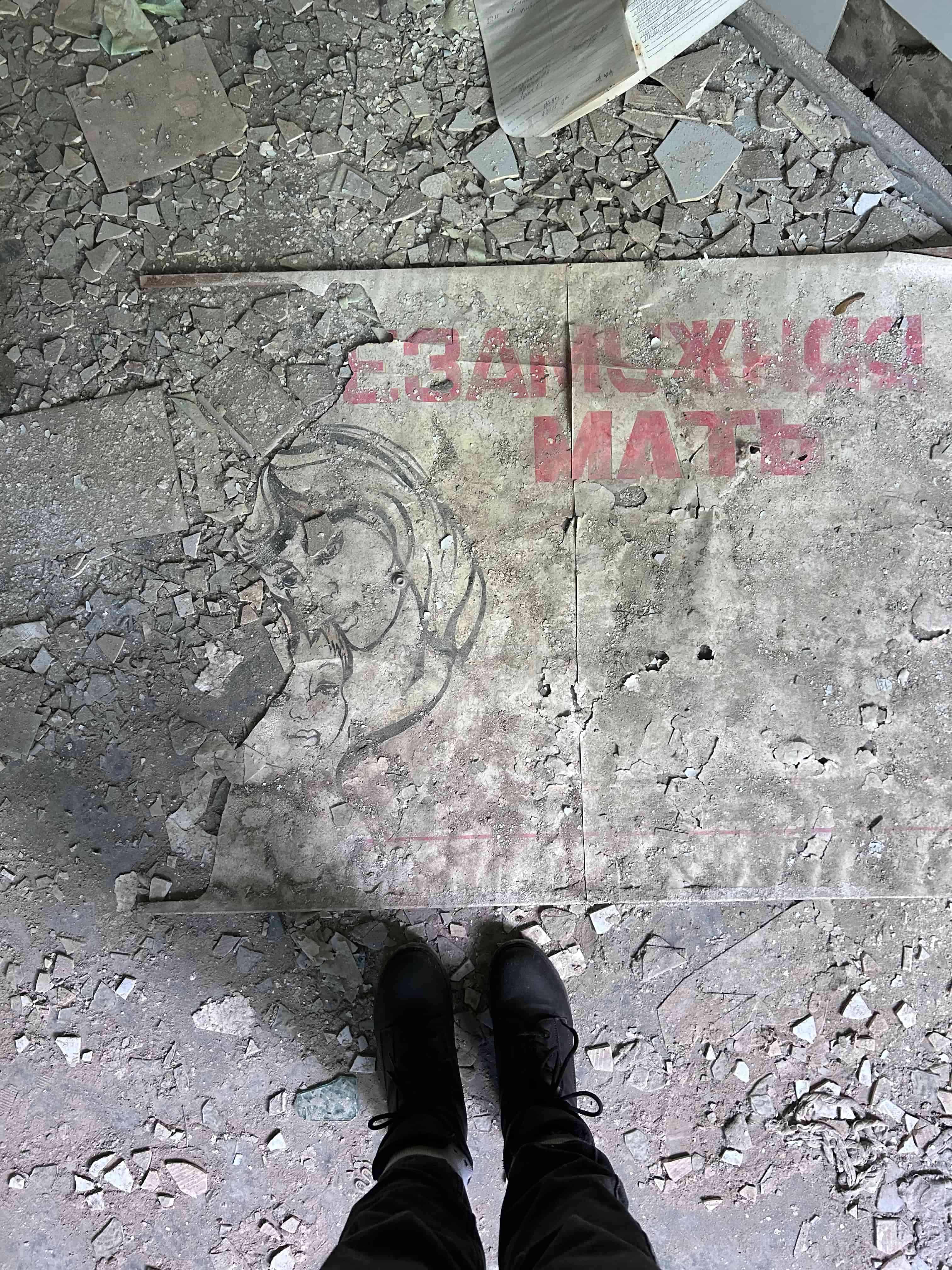 Among the remains of a place left behind
Several interviews revealing how temporary departures became permanent reminded me of Victoria’s poem Return Story:
When Vira left home,
she took nothing
I’ll be back soon, she said,
and took nothing at all
What is home when it is not a physical place or the objects that filled it? For some, it is a place in time, like the women from Sloviansk and Mariupol who returned briefly to their apartments during the early days of the invasion and found that their homes already felt alien to them. For others it is the essence of a place that they bring with them, creating microcosms of spaces from occupied territories in Lviv through art and community. Home may be found in language, in people, or in the simple defiance of survival.
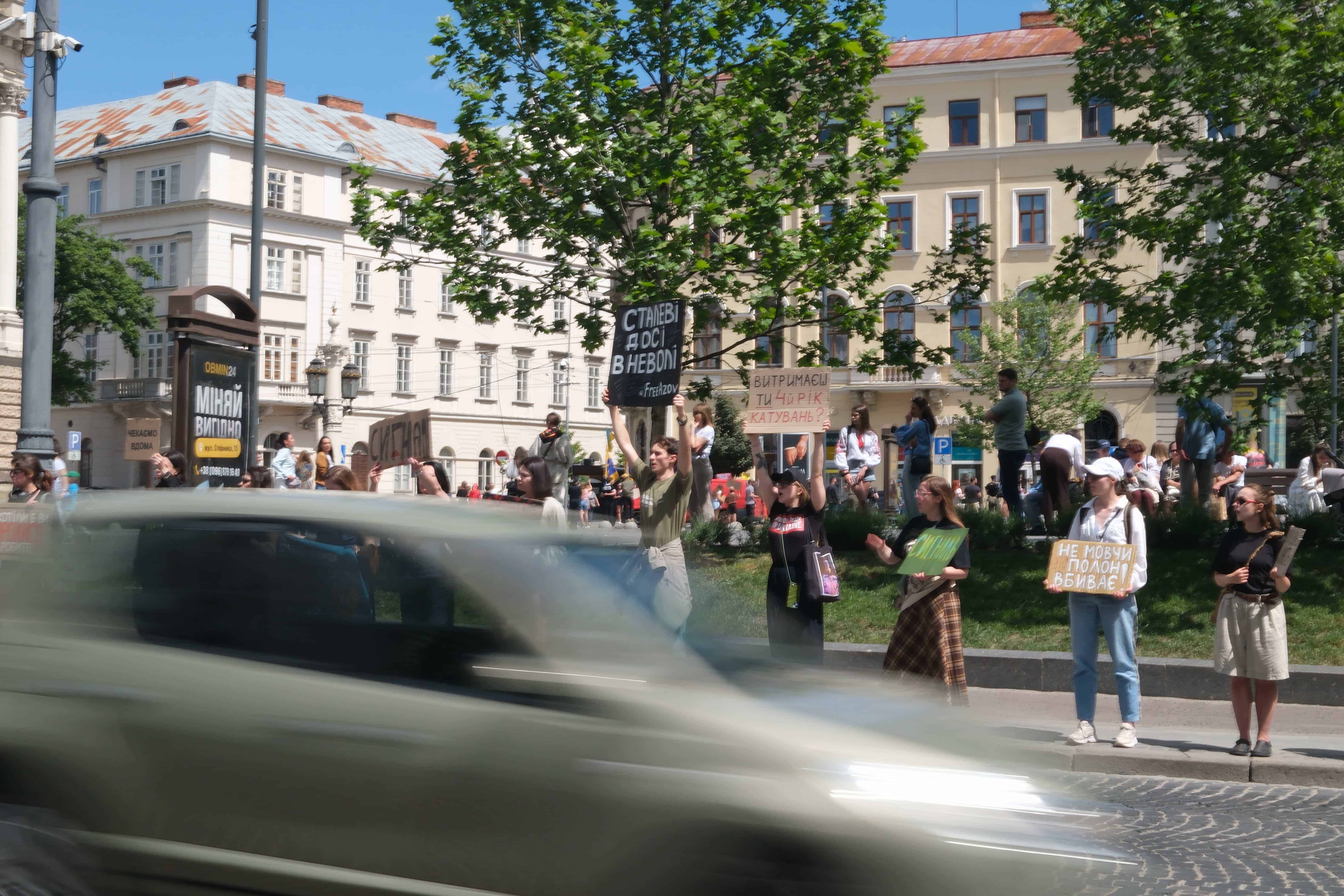
The ‘Free Azov’ campaign in support of Ukrainian defiance of survival. prisoners of war and those missing in action
Throughout my conversations with people from many different walks of life, I realised there was a common thread. Everyone alluded to a desire to be understood without having to name your past, something that comes from the unspoken understanding of shared experience. Whether that is living through the horrors of occupation or hailing from a place that you can never return to.
One day, as I felt a familiar frustration in conversations with people outside of Ukraine who misunderstood the context, and my experiences, I realised that I was also seeking this unspoken understanding. It’s a universal feeling to be seen and to be at home. After hearing from those generously sharing their stories of movement around the country—some chosen, some forced, and all painful—I couldn’t help thinking about my current relationship with home.
Being in Ukraine, most global affairs felt distant and even irrelevant in comparison to an existential fight for existence. But two events cut through—the UK local election results and anti-immigration riots in Belfast. Going into the cesspool of X, I was rewarded with reams of racism and wondered how much of it came from Russian troll factories. I don’t fit in in Ukraine, but I am not trying to, and there’s something freeing about that—unlike being made to feel that way in the country of your citizenship.
Last summer England flags flew across the country, as the so-called ‘Raise the Colours’ campaign sought a display of patriotism—a thin veil for racist, anti-immigration, white supremacist rhetoric which reminded me that these flags are not friendly to me. Driving through towns with every lamppost flying the now-hostile red and white sent a clear and intimidating message—you are not welcome here.
Reinforced by the politics of the time, both from the sitting government and from formerly fringe right-wing parties like Reform UK gaining increasing political muscle, this is now the third summer in a row with racial riots on the streets. Together, this has started murmured conversations among fellow friends and colleagues of colour – Would you leave? Where would you go?
These conversations, together what I have come to know about home during my time at INDEX, are best distilled by Maya Angelou, in her aptly titled book All God's Children Need Traveling Shoes: ‘The ache for home lives in all of us, the safe place where we can go as we are and not be questioned.’
We are all looking for a place to belong in this world. It seems in doing so, many others seek to prevent their fellows from finding that place. What I have seen in these three months is that Ukrainian home will not be extinguished, and from the ashes, new seeds are taking shape. It will, indeed, as Victoria wrote, slowly grow.