
Tarutynskyy Steppe: A Field Trip into the Primeval Steppeland under the Environmental Humanities Programme
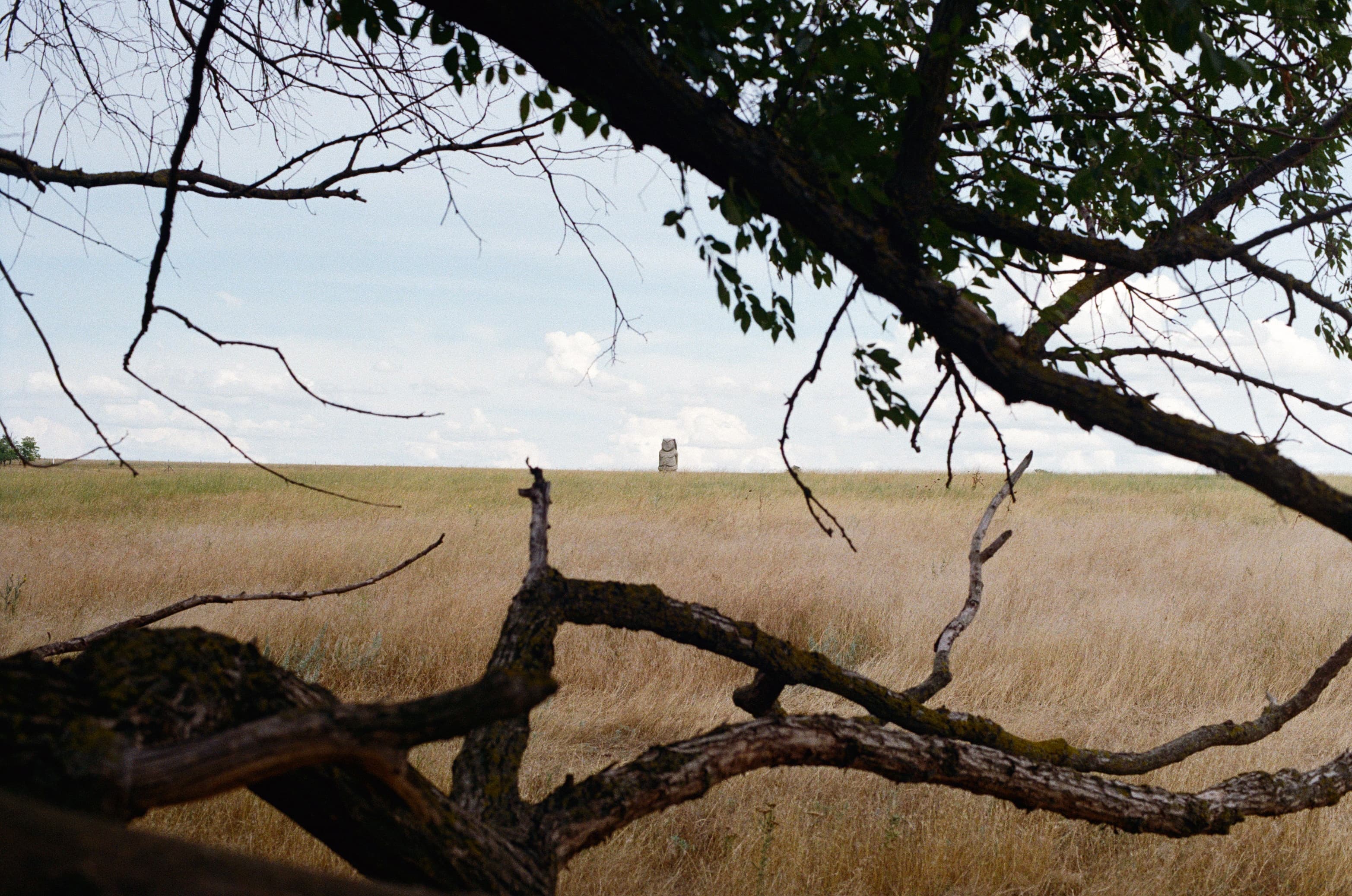
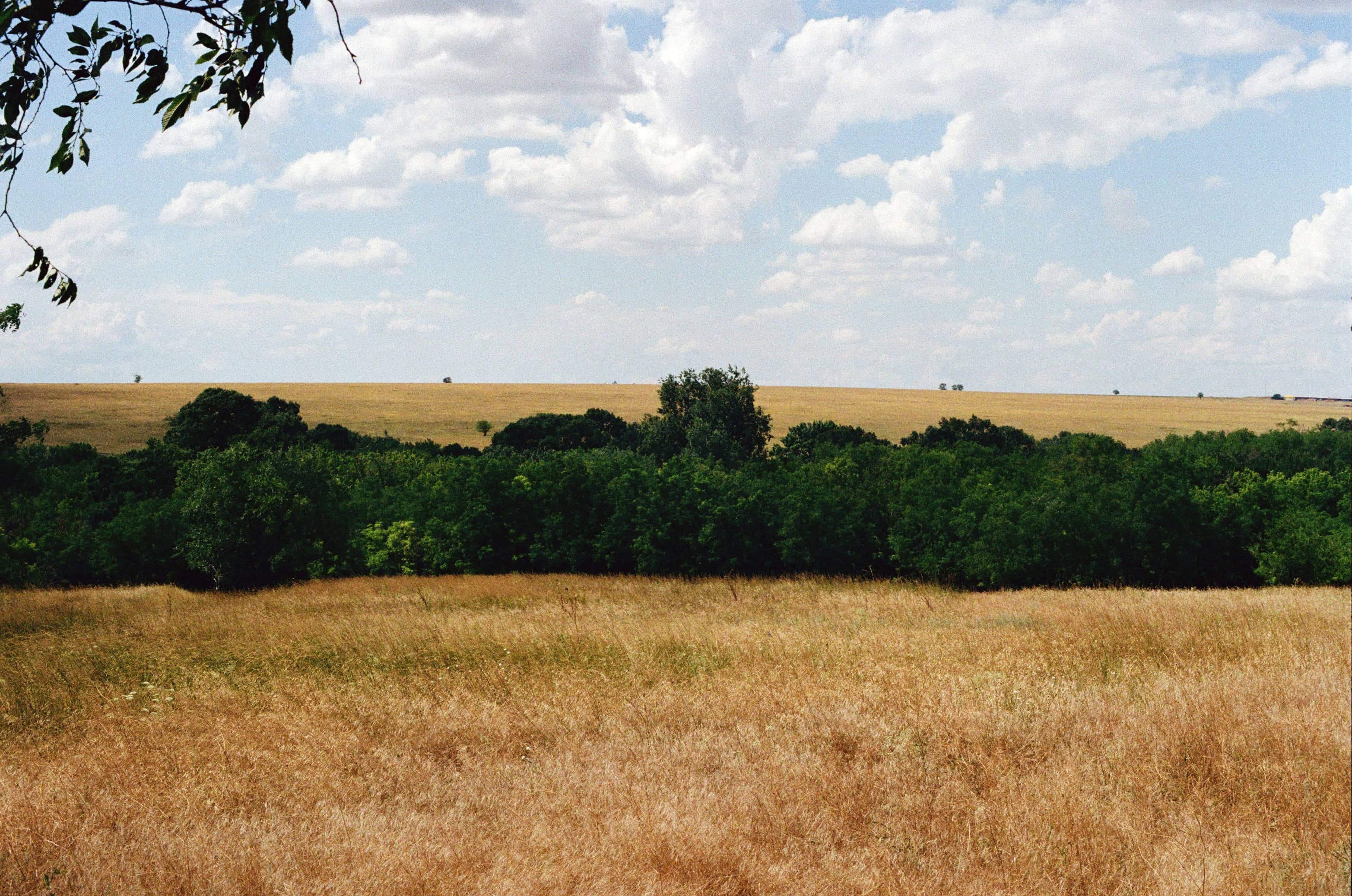
In late July, 2026 Environmental Humanities Fellows Iryna Zamuruieva and Nina Direnko visited the Tarutynskyy Steppe landscape reserve in Odesa Region’s Bolhrad District (part of the wider Budzhak steppes) as part of their fellowship. Despite a fraught history, the area has retained its pristine character.
The trip aimed to document how the steppe ecosystem can recover following military activity. The fellows also sought to analyse the new challenges experts face in preserving and restoring the few remaining patches of intact steppe. The visit provided valuable insight for their research and artistic practices, which explore the destruction of the steppe ecosystem across both historical and contemporary contexts.
Iryna Zamuruieva writes about rapeseed within the context of environmental history and the political ecology of Ukrainian agriculture. During the trip, Iryna came across and photographed an unharvested rapeseed field—a rare sight for a monoculture grown for mass market distribution.
Nina Direnko’s work addresses the issue of steppe afforestation, focusing specifically on the Scots pine—a species heavily planted across Ukraine’s south to supply timber for Russian Imperial naval fleets.
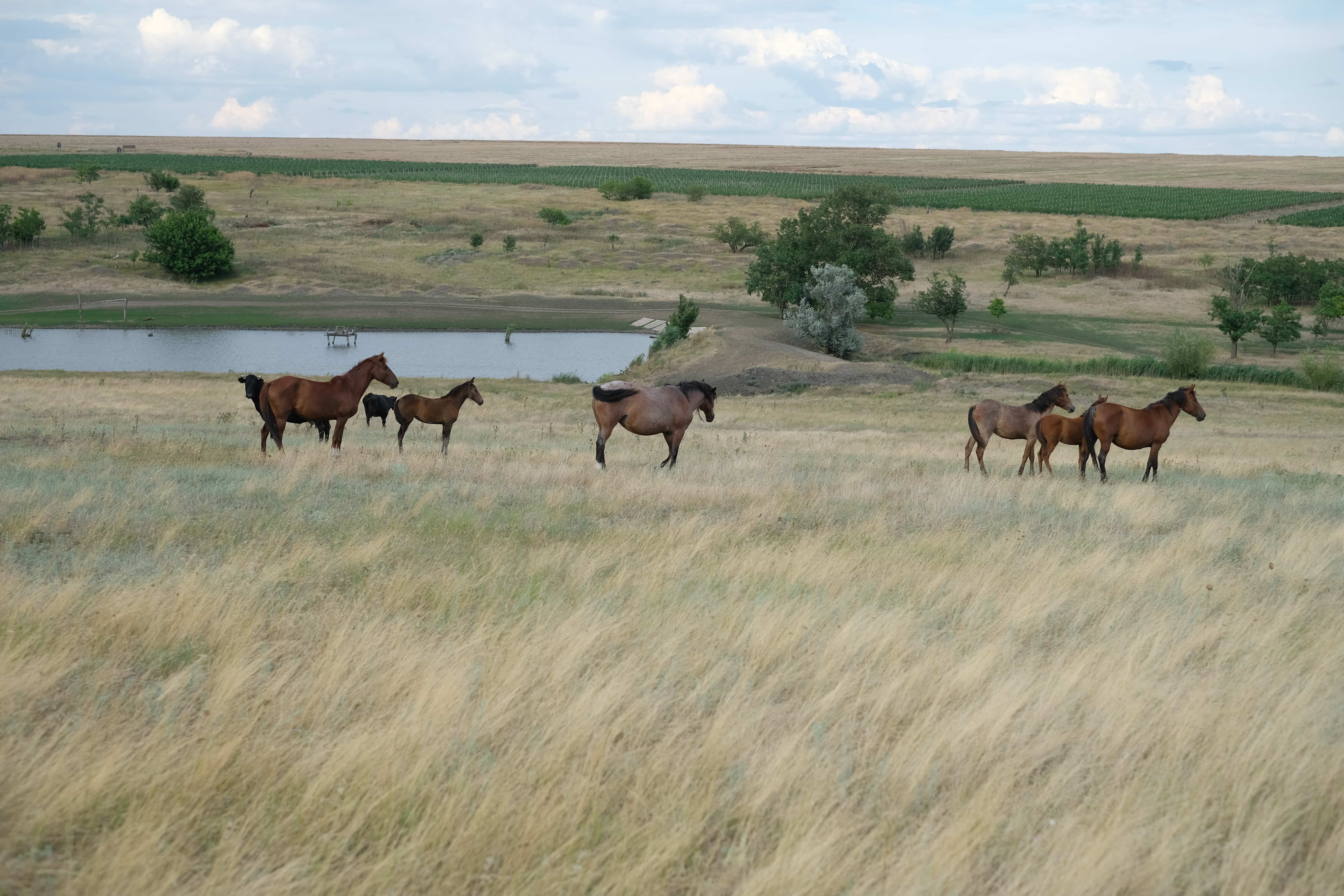
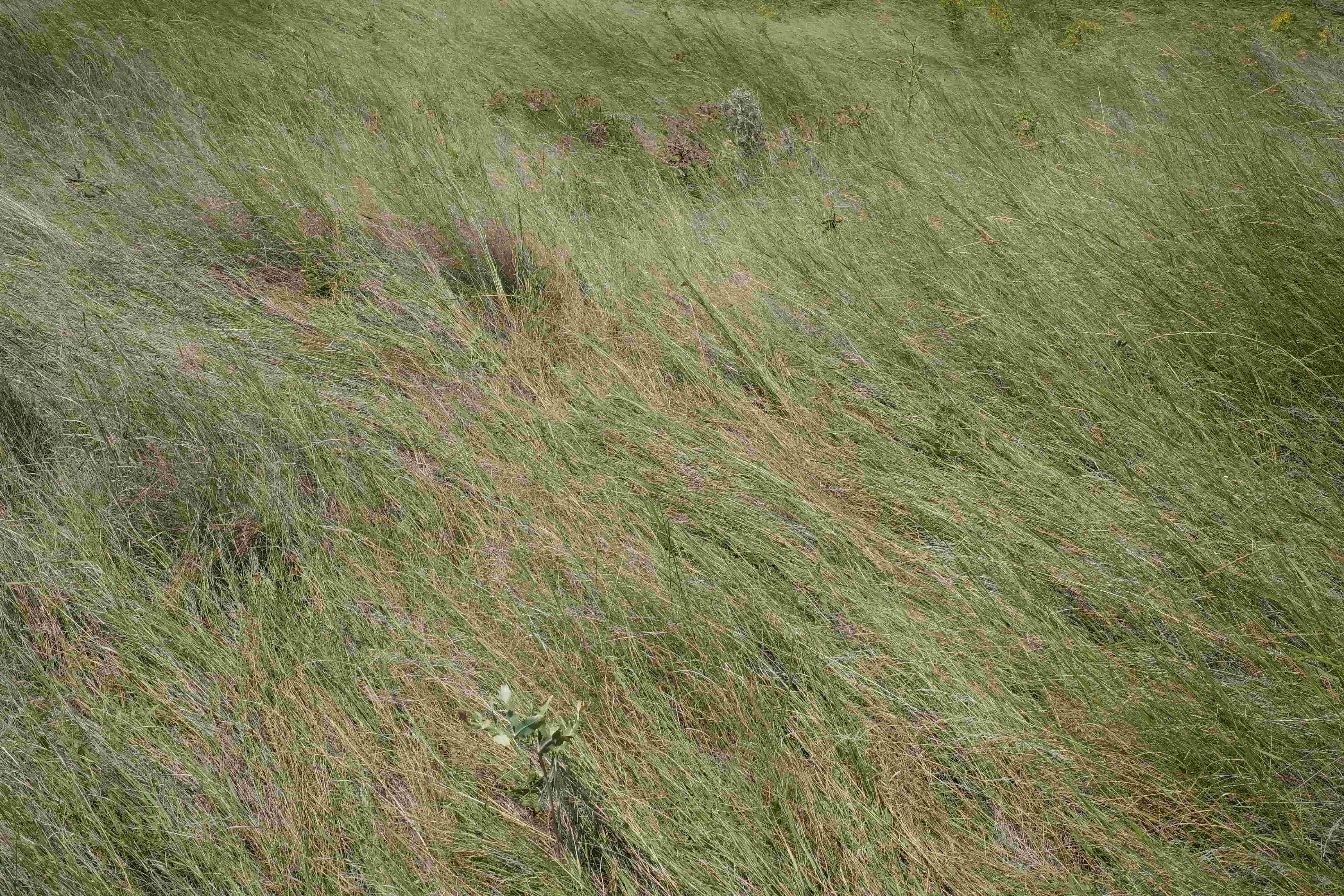
From the very first moments in the Tarutynskyy Steppe, you can instantly feel just how teeming with life it is: Red Book-listed birds show no fear of people, the ground is alive with countless insects and grasshoppers, and rare plant species flourish underfoot—including feather grass, pasqueflower, saffron, and other species listed in the Red Data Book of Ukraine.
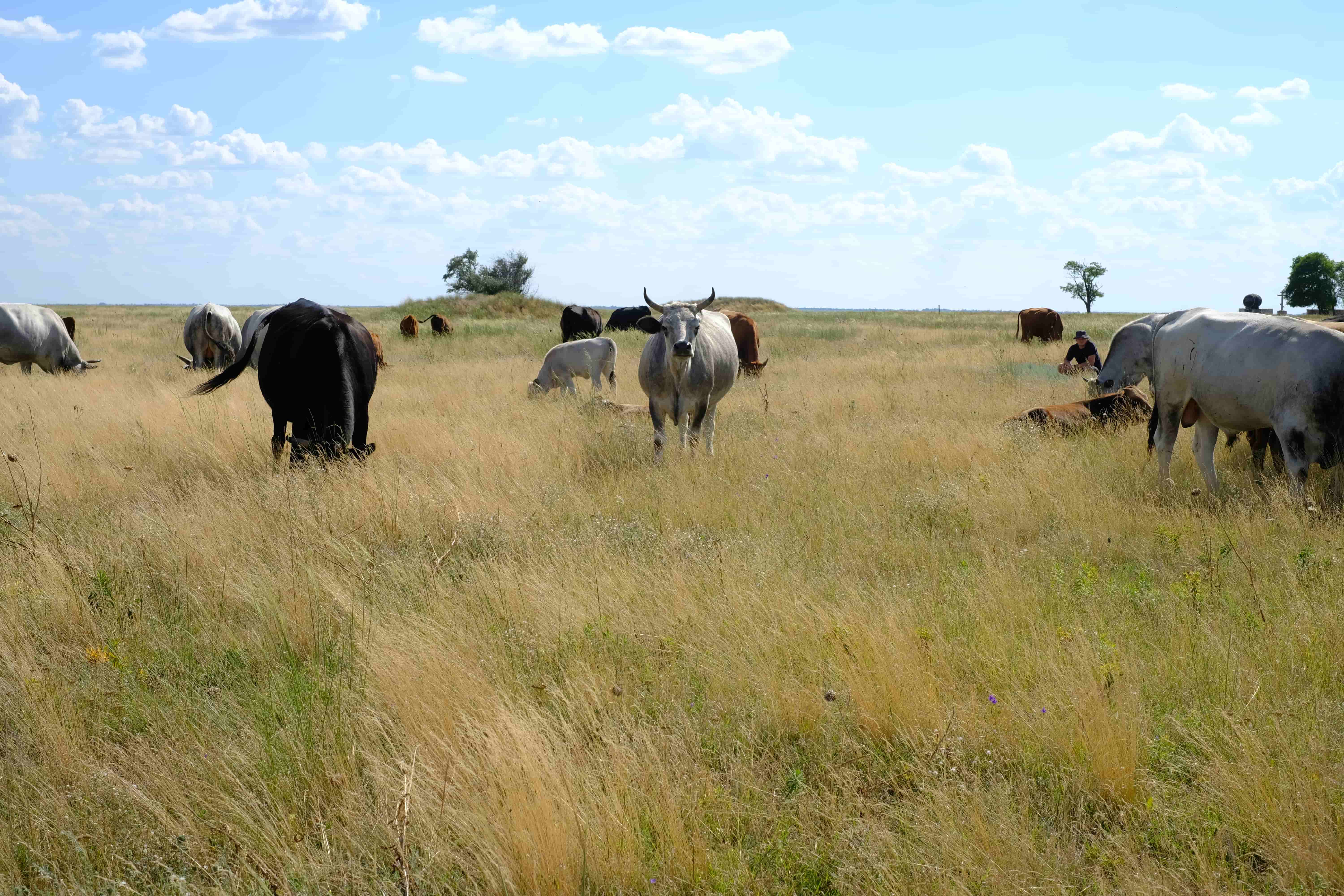
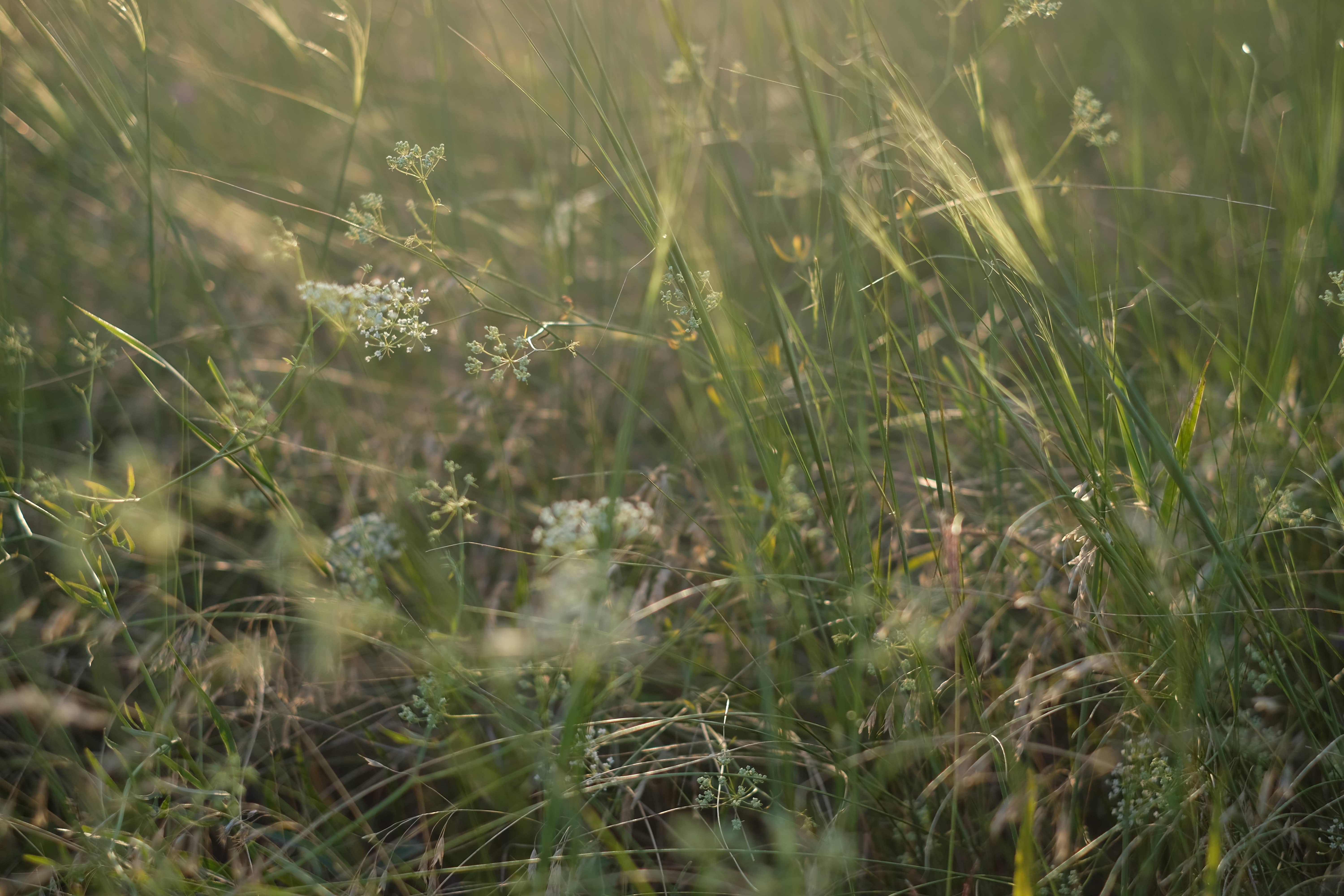
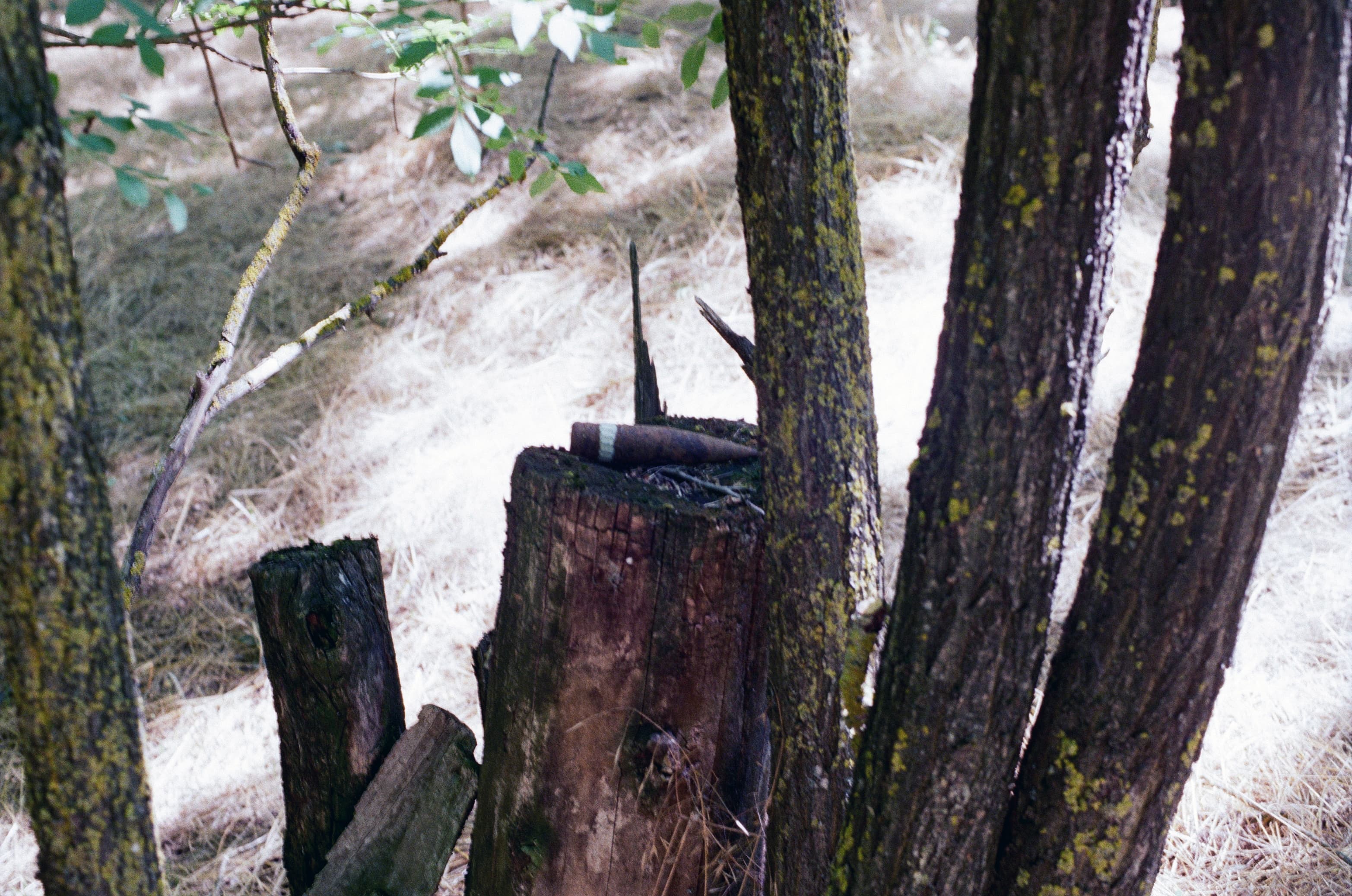
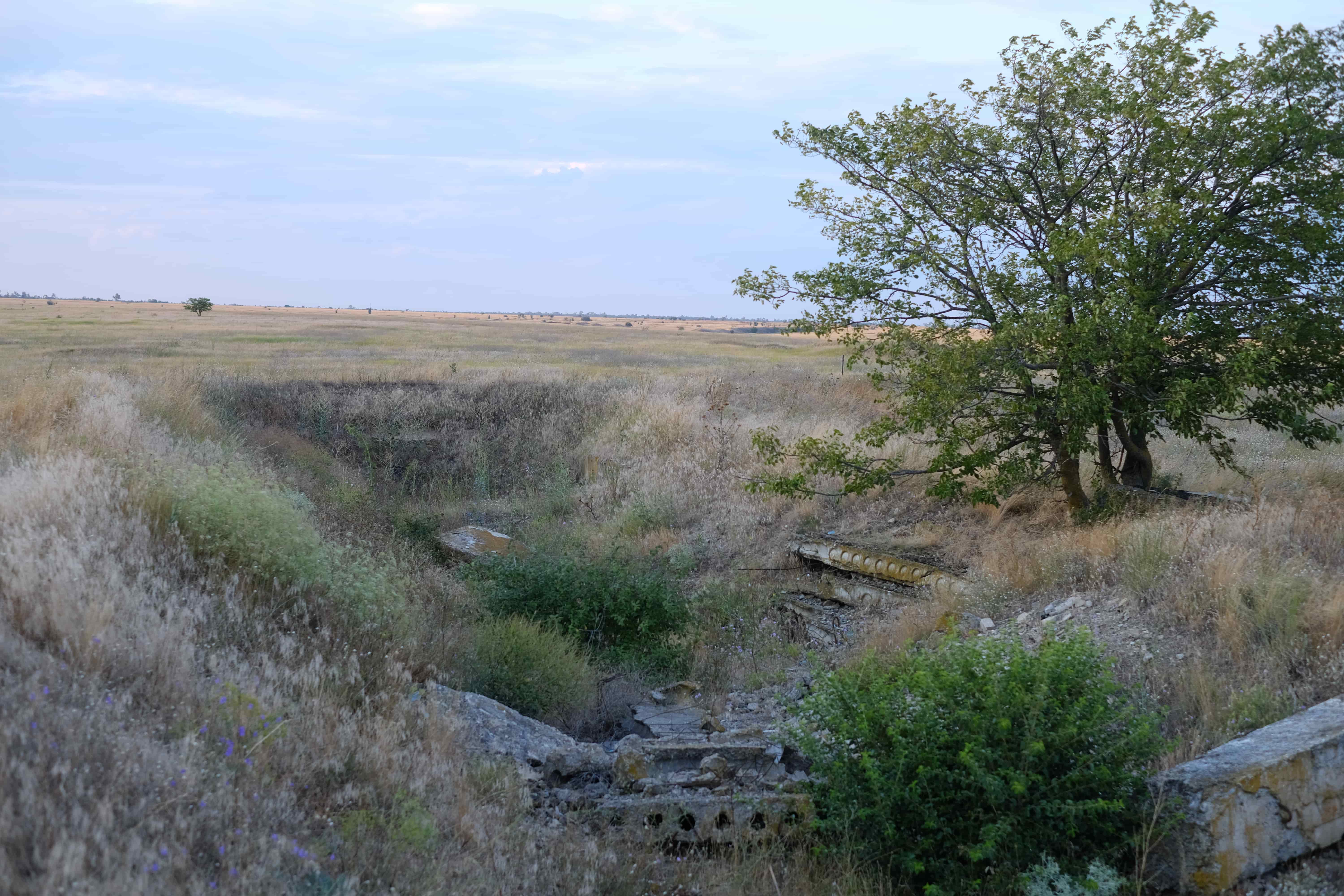
From 1946, the steppe served as a Soviet military training ground. Paradoxically, this is precisely what saved it from widespread ploughing. Looking closely as you walk through the area, you can still spot material remnants of that era: weapon fragments, spent ammunition, and dug-out trenches long since overgrown with local vegetation. Decommissioned in 2004 for agricultural use, the area has nevertheless come under threat again in recent years due to ongoing illegal ploughing.
The trip to the Tarutynskyy Steppe allowed me to experience a real, panoramic 360-degree steppe for the very first time in my life. At the same time, it offered a glimpse into a complex and ambiguous legacy: the presence of the military training ground ultimately shielded these lands from being ploughed up. The conservation effort in the Tarutynskyy Steppe could serve as a valuable model for the rest of Ukraine, making it both fascinating and deeply important to witness firsthand.
Iryna Zamuruieva, 2026 INDEX Environmental Humanities Fellow
We peered through the spotting scope at the kulans (onager)—animals that had almost vanished from the Ukrainian steppes and, until recently, survived only within the temporarily occupied Askania-Nova Biosphere Reserve in the Kherson region. Back in 2020, the NGO Rewilding Ukraine translocated a herd of 20 kulans to the Tarutynskyy Steppe. Kulans are herd animals that move in groups and are exceptionally skittish around humans.
They share an enclosure with steppe marmots. This cohabitation is deliberate: marmots require short grass to thrive, and the kulans are ideal partners for keeping the vegetation grazed down. The marmots’ burrows, which can reach depths of up to 20 metres, pepper the enclosure, supporting soil health and groundwater retention. The marmots also play a key role in dispersing seeds of rare native plants.
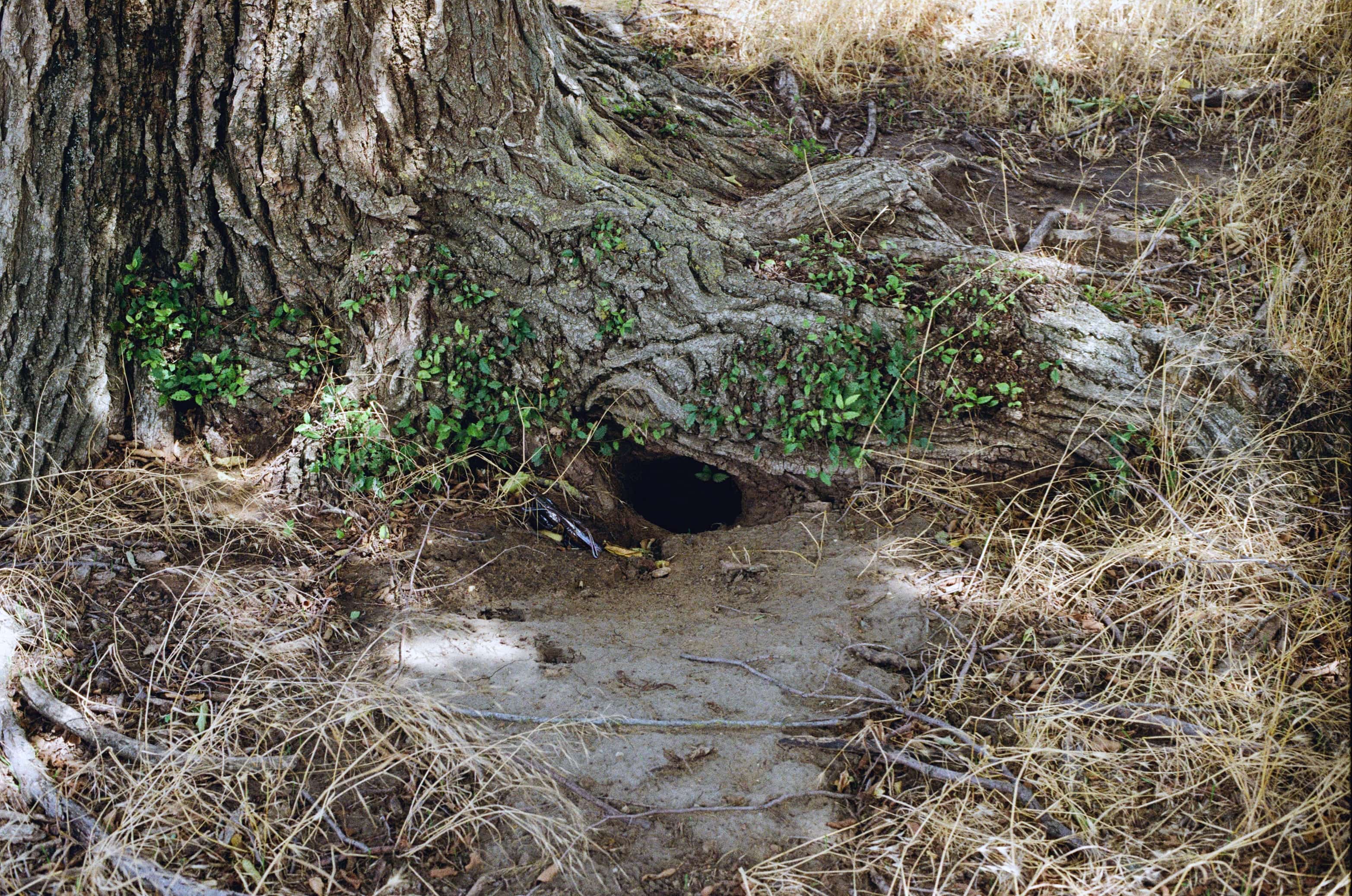
The marmots’ burrow in the Tarutynskyy Steppe
Other inhabitants of the steppe include fallow deer. They favour wooded areas, occasionally emerging from the acacia groves. Afforestation, according to ecologist and INDEX Fellow Nina Direnko, poses one of the critical challenges to steppe ecosystems:
The Tarutynskyy Steppe, as one of the very few accessible pockets of true steppe in Ukraine, is striking in its level of biodiversity—standing in stark contrast to the surrounding monocultures of both agriculture and forestry. Experiencing this steppe firsthand was particularly vital to me given the ongoing threat of its destruction, driven not only by ploughing but also by afforestation. Such inherited Soviet practices of 'improving' nature persist in Ukraine to this day. Tucked among these artificial forests are Soviet-style posters reading 'Protect the Forest'—yet there has never been any public campaign to 'Protect the Steppe'. The Tarutynskyy Steppe is a precious fragment of a world that has almost vanished.
Nina Direnko, 2026 INDEX Environmental Humanities Fellow
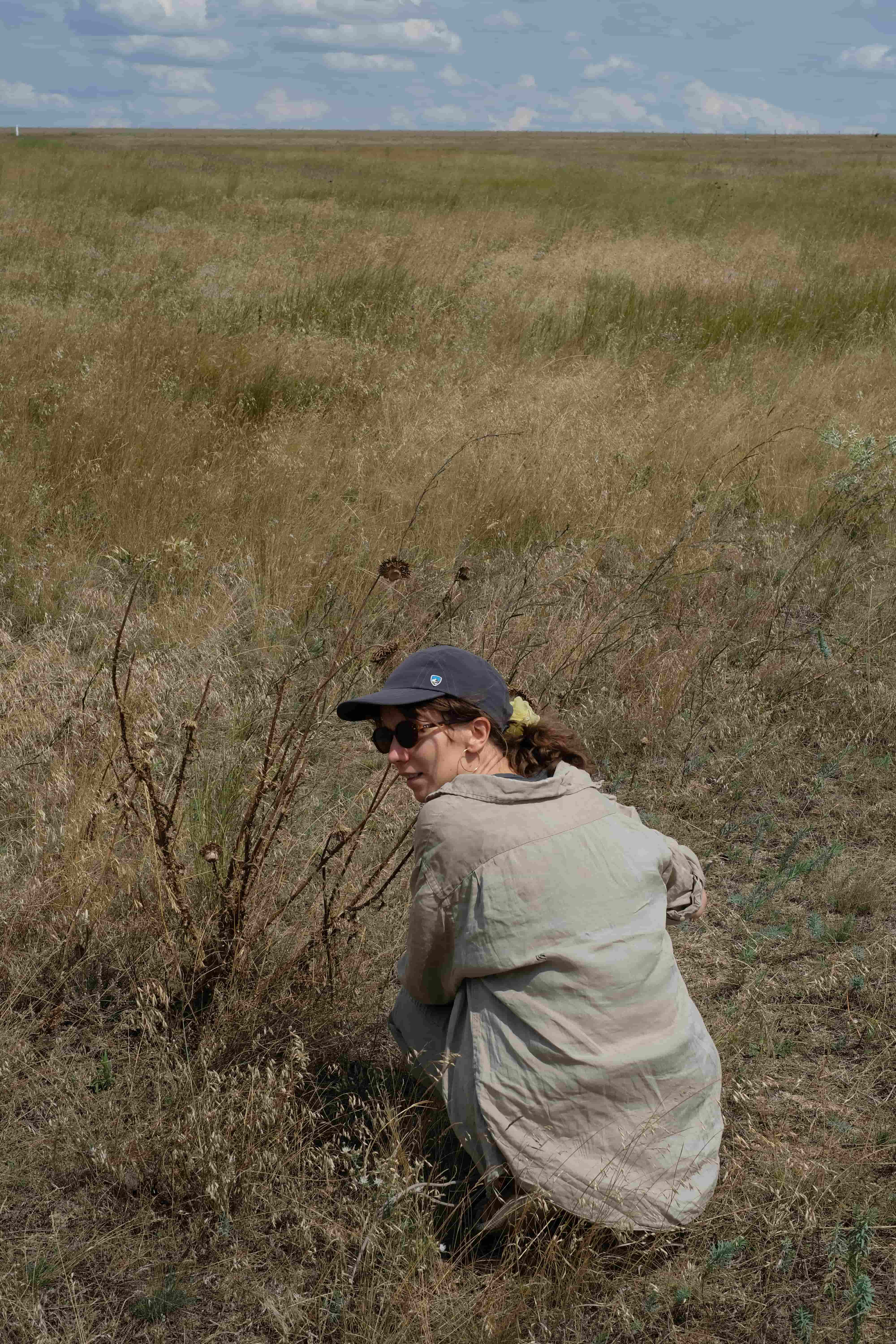
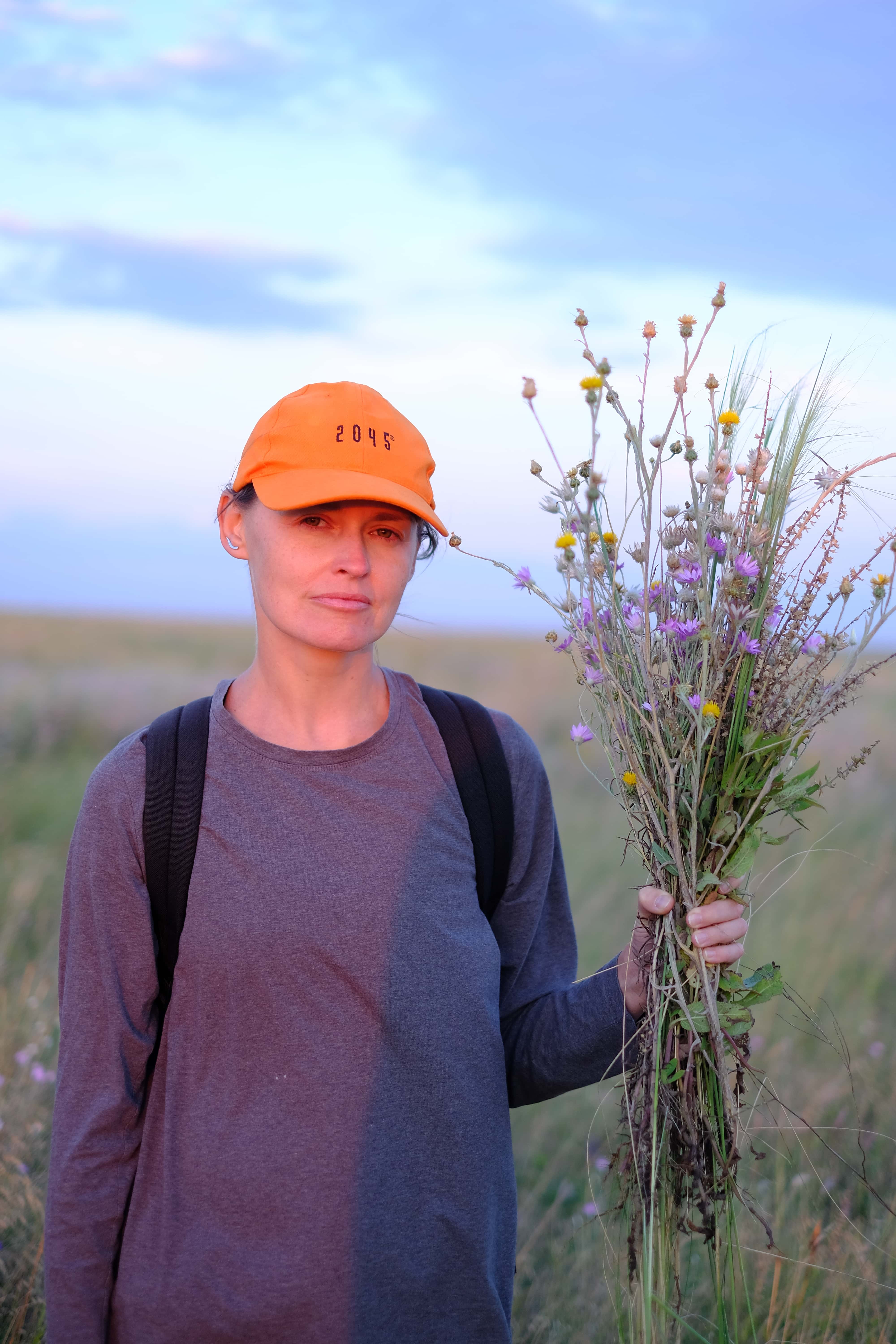
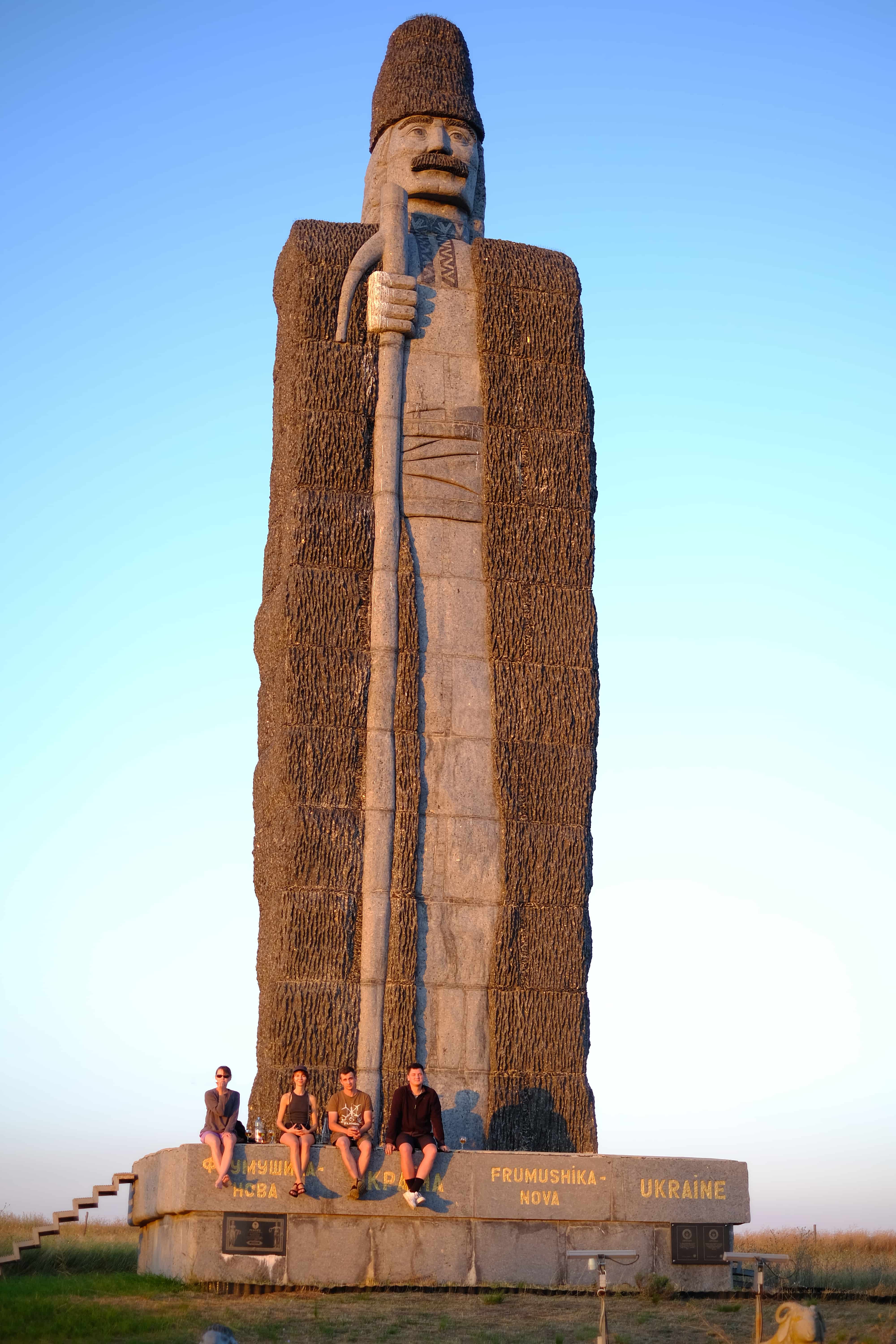
Iryna Zamuruieva, Nina Direnko
Russia’s war and the occupation of Ukrainian territories have temporarily cut us off from the steppes of Donetsk, Luhansk, Kherson, and Zaporizhzhia. As a result, the Tarutynskyy Steppe remains a rare opportunity to observe the steppe in its primeval form.
Text and photo: Yulia Kishchuk, Programme Curator
The INDEX 2026 Environmental Humanities Programme is funded by the ERSTE Foundation.