
Exhibition Opening: Mykola Hlibovych at the Art Centre
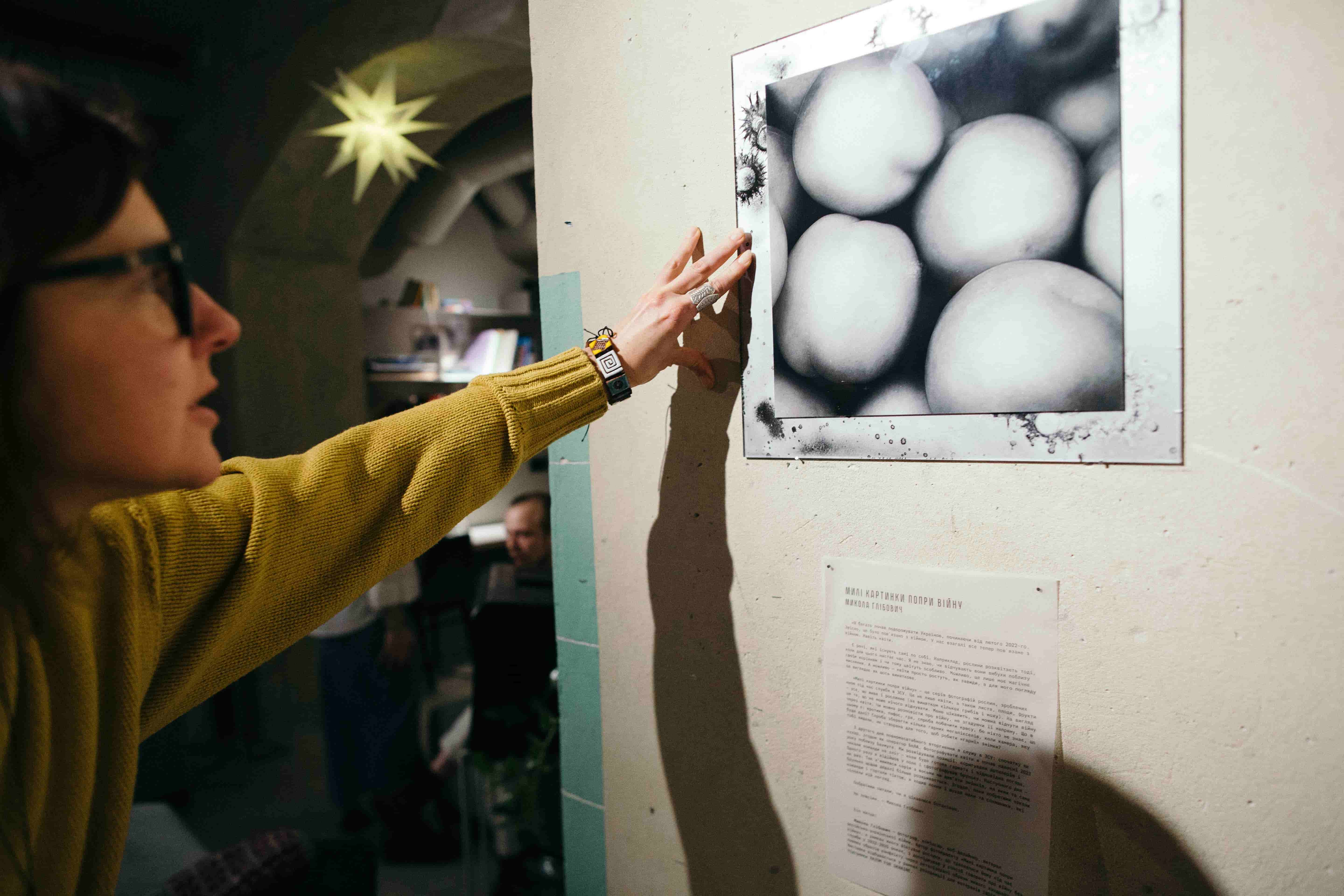
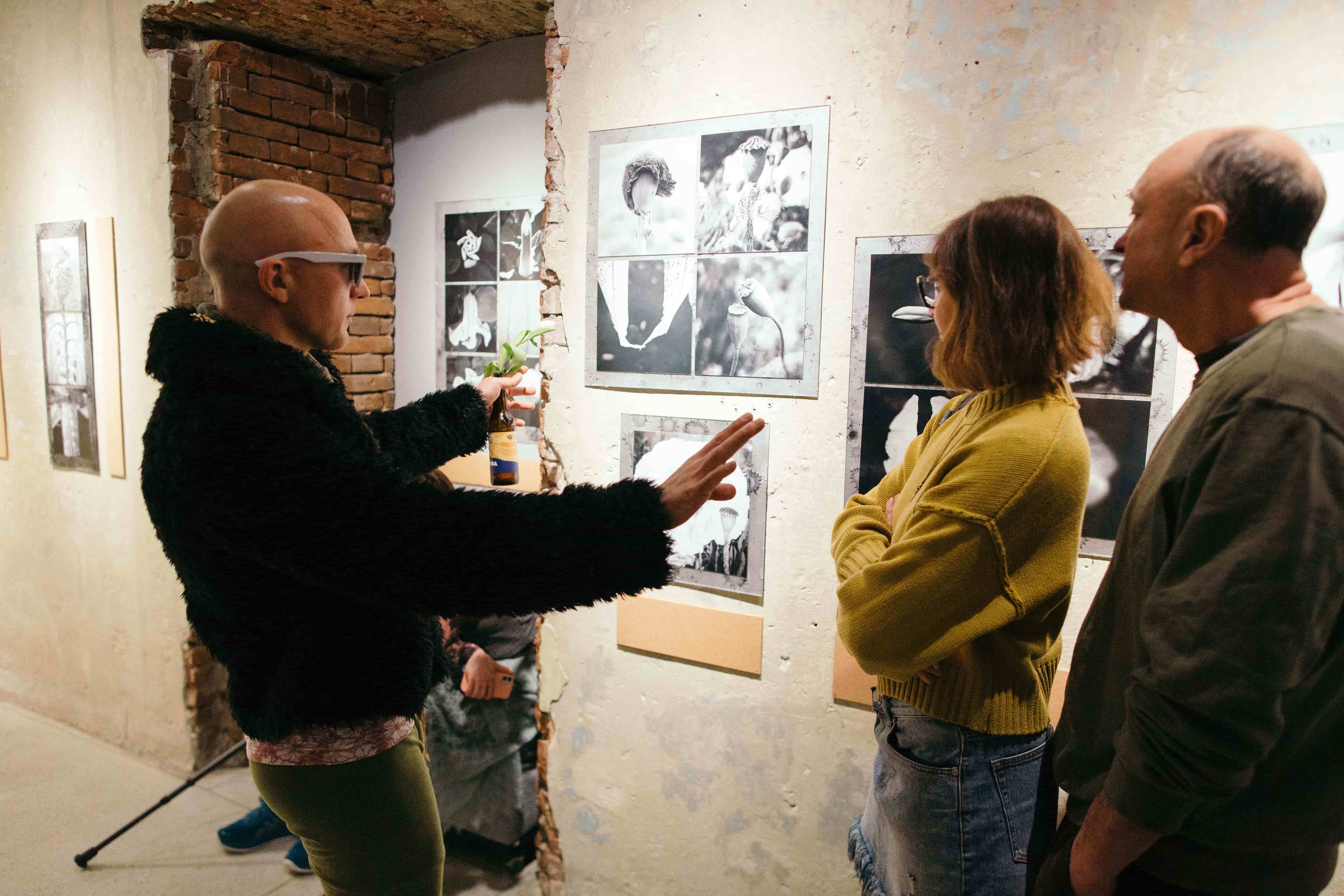
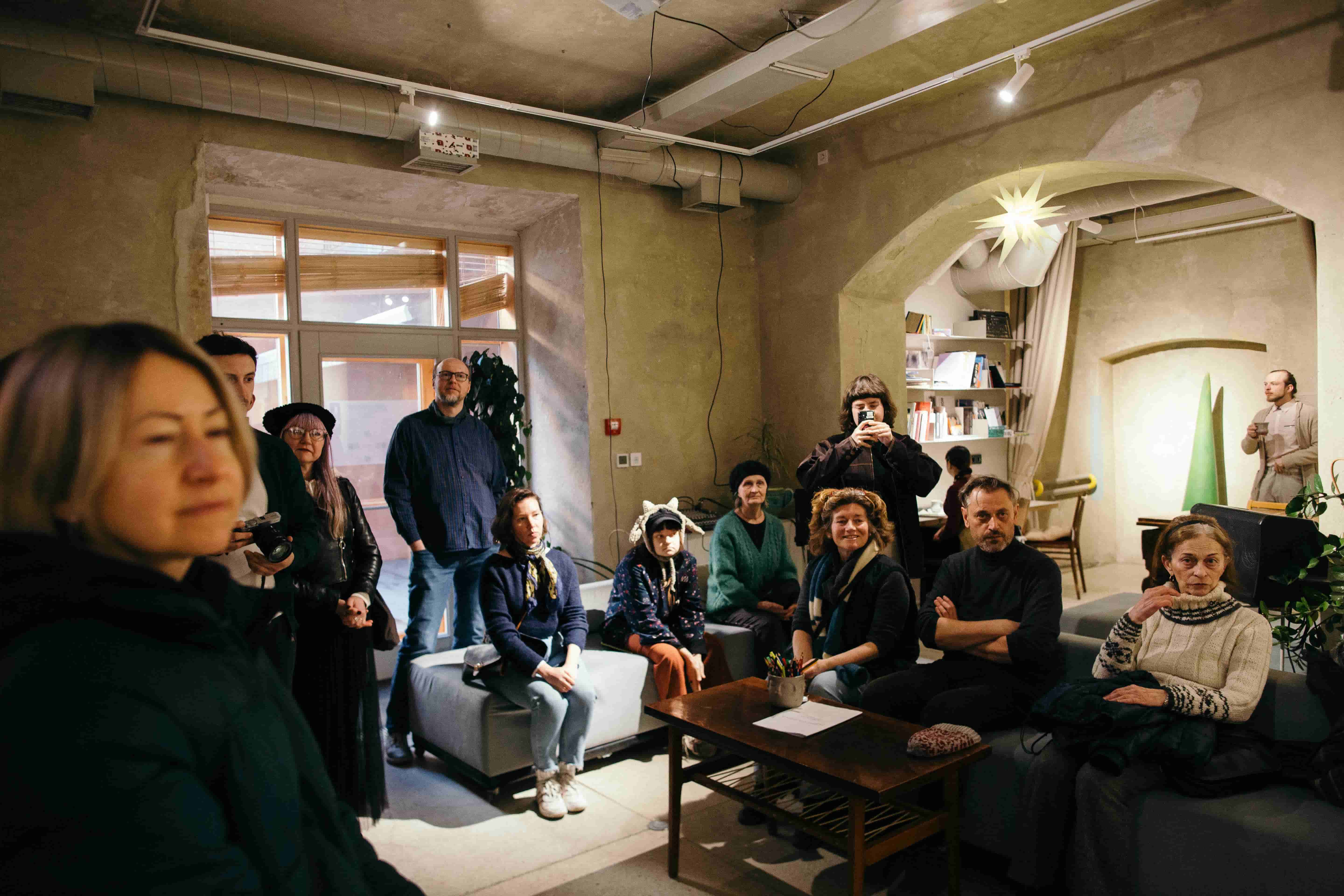
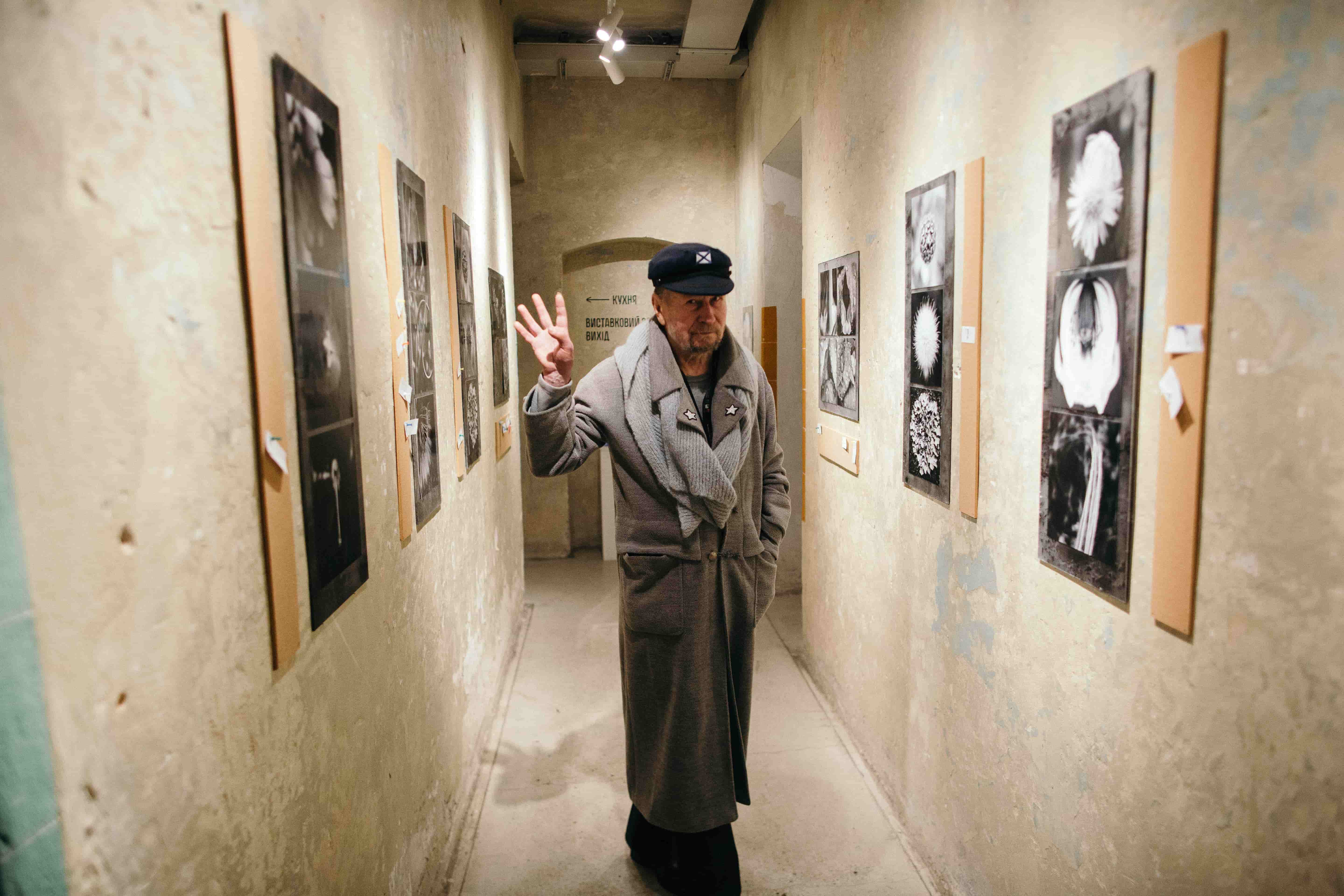
On 1 March, we had the pleasure of opening an exhibition by Mykola Hlibovych at the Art Centre.
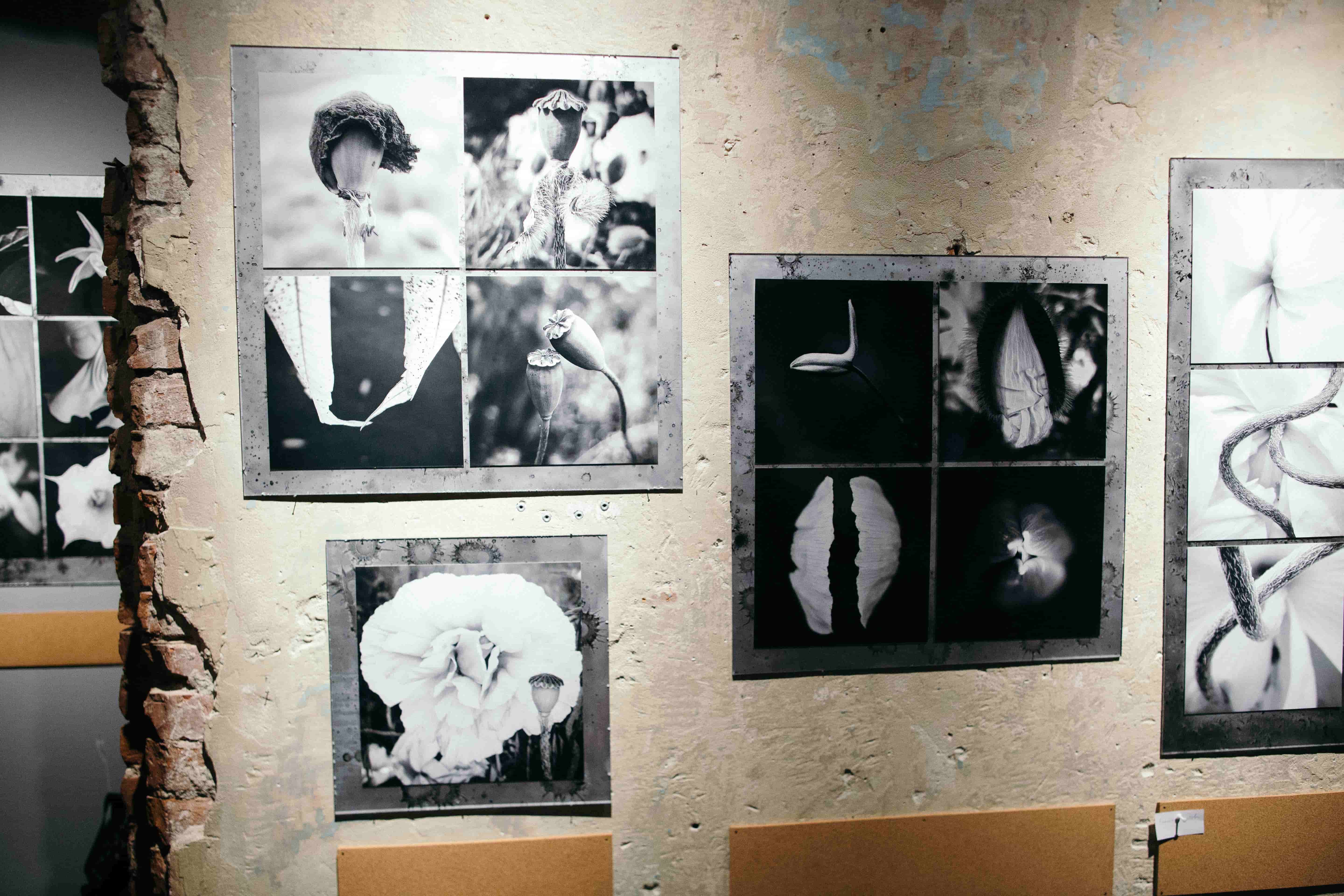
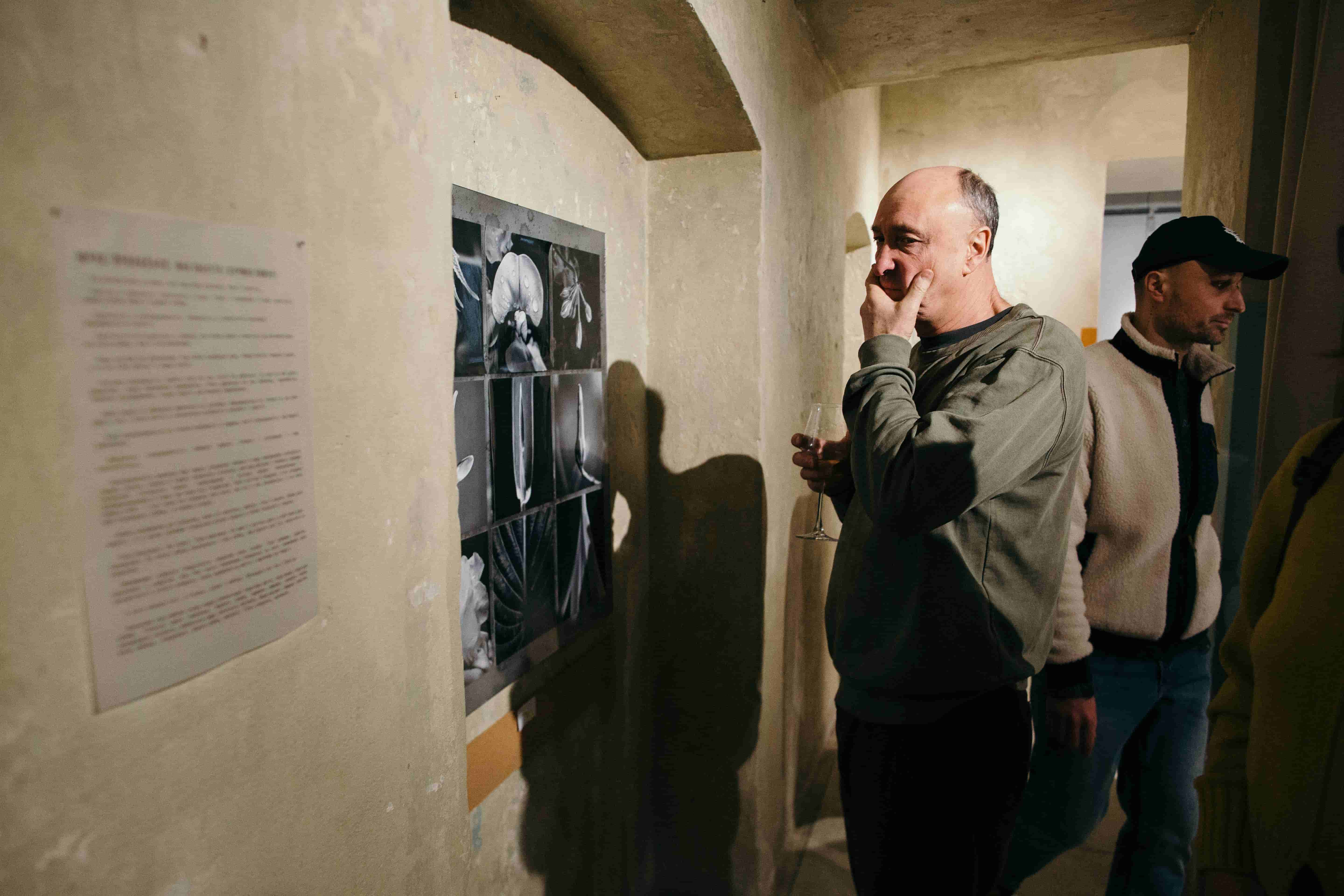
Hlibovych's photo project, Cute Pictures Despite the War, was captured during his service in the Armed Forces of Ukraine. The series features photographs of plants that surrounded the author both during combat missions and in quieter moments.
From the second day of the full-scale invasion, I joined the ranks of the Armed Forces—first as a cook, then as a drone operator. I started photographing flowers in the spring of 2023 near Bakhmut. We were scouting, correcting artillery fire, and waiting for the command to take off—waiting for the gun to be ready, for the weather to be right. I stepped away to have a wee and snapped a photo of a bud. The next flying day, it was the same. I ended up with a series of eight or nine buds, each day a little more in bloom than the last. Later, while we waited for the command to launch, and while my mates were glued to TikTok, I’d wander the field looking for poppies and sunflowers that caught my eye. My comrades eventually asked if I was interested in botany. Not exactly.
Mykola Hlibovych
Mykola Hlibovych is a web designer, photojournalist, photographer, and veteran. He graduated with a degree in Psychology from the Ivan Franko Lviv National University and trained as a psychoanalyst at the Lviv Psychoanalytic Institute of Mental Health. Alongside his studies, he drew comics, took photographs, and wrote articles on art for zbruc.eu.
He joined the military on the second day of the full-scale invasion, serving initially as a cook and later as a UAV operator in the 45th Separate Artillery Brigade, named after Myron Tarnavskyi. He was demobilised in June 2025 due to family circumstances.
He is the co-author of the audiovisual project Reflections and Interludes (July 2023 – June 2025) — a cycle of musical compositions written by Ostap Manulyak and inspired by Hlibovych’s abstract photographs of flowers taken during his military service, including in the combat zone in Donetsk region. The works were presented together with the photographs at concerts in Lviv in August 2023 and September 2024, and in Kyiv in October 2023.
The exhibition is open until 31 March at the Lviv Municipal Art Centre (11 Stefanyka St). Entry is free.
Poppy of Oblivion and the Datura of Memory
An introductory essay by Yurko Prokhasko, psychoanalyst, essayist, and literary scholar, for the exhibition of Mykola Hlibovych
In the beginning, there were no poppies, yet poppies were there at the start. Poppies and memory. Memory and solitude. Solitude and fear. Fear and desire. And again, solitude amidst the steppes of the war’s heat and its bitter cold.
Solitude and self-estrangement. Torpor and the fierce intensity of longing. The frenzy of the self. Solitude does not begin with war, but war makes solitude all the more frantic, more essential, yet more yielding.
The language of plants remains unrecognised. War strips away one’s speech. People have long spoken the ‘language of flowers’, yet it is not the flowers themselves speaking, but humans speaking through them.
Plants are eloquent, even when no one is watching. But when one gazes at them for a long time, they begin to speak. When viewed up close, flashes of insight occur — sometimes even profound revelations.
When one gazes at plants long and closely enough, it is revealed not only that they are alive, but that their lives possess a vast diversity of forms and narratives. Then, one discovers not only similarities with humans, but elective affinities, however selective they may be for now.
Elective affinities, chosen narratives. The most vital among them are the non-obvious, and thus the unrecognised.
Affinity arises through the very act of creation. The great and barely perceptible commonality of humans, mosses, worms and serpents, molluscs and moths, fish of fresh and salt waters; the usually invisible community of insects, amphibians, and animals at large — both warm-blooded and cold-blooded — lies in the fact that they are all creatures. That is to say, they are all created; they did not create themselves. And none were created for wars, yet all find themselves within them; and there they are, inside the war, at its very heart.
War is hostile to creatures; it maims, tears, hacks, and burns them. War destroys everyone. And in doing so, it levels creatures of different orders within the shared physicality of their being.
Bodies are restless, for they are tender. Bodies are vulnerable, for they are alive and contain within them, temporarily, living souls. They can easily be mutilated even without war. Severed from the flesh, set adrift.
It is impossible to sense the fragility of creation outside of bodies. The body is wistful, thirsty, vulnerable, and mortal. Yet without it, it is impossible to be born into the world, impossible to manifest or reveal anything. It is exposed to life and vulnerable to death.
Who has the largest eyes: fear, war, or love? Eyes are also enlarged in the blow-up. Through eyes widened by love, the elementary foundations of life and the fundamental structures of war become visible. The physical fate of the creature. The grass endures, the trees tremble, the flowers wail, the animals freeze, and humans love, rage, and run riot. Species of plants — visible, simple. Circles of love, enchanted. Cycles of war, cursed. The bodies of creatures, transfixed.
The INDEX Veteran Programme is supported by the Razom Foundation.