
'So what was it like?'
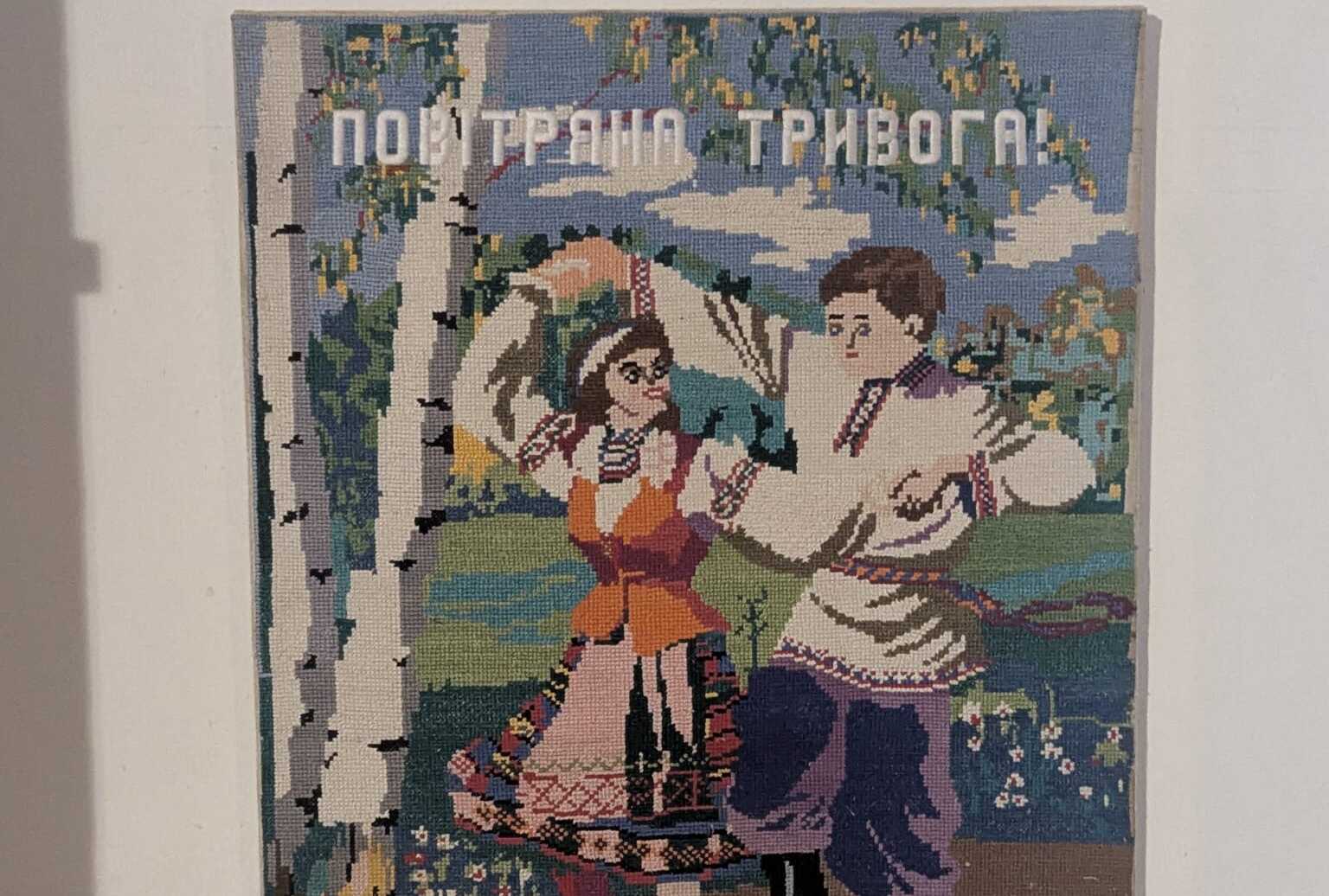
“So what was it like?”
I’m standing in the hallway of our office building, with a colleague who stopped to have a quick catch-up chat. What was it like in Ukraine, she means. I have been back in the Netherlands for two months already, and yet this casual question still brings me to a standstill.
“Well,” I start, then pause.
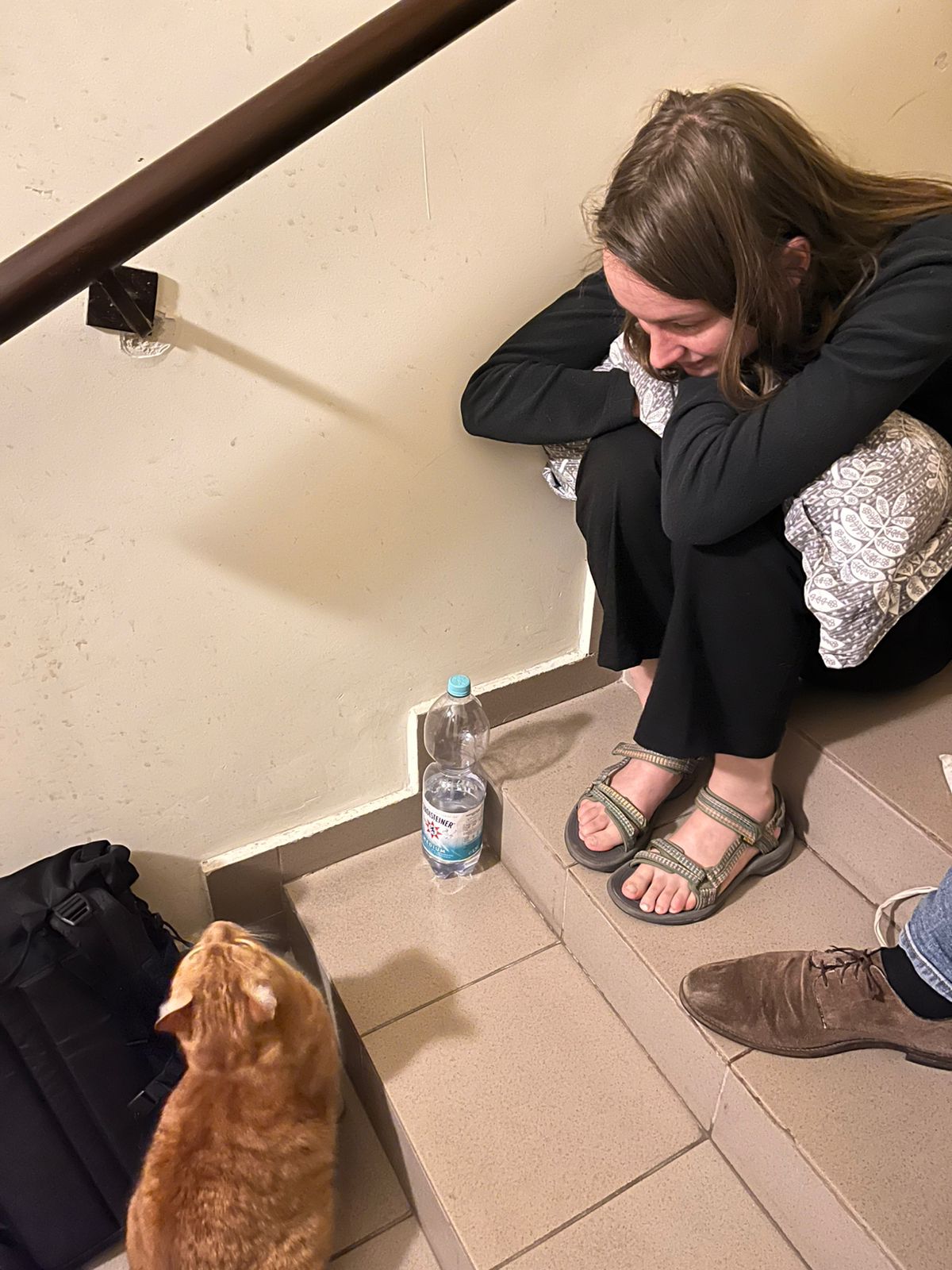
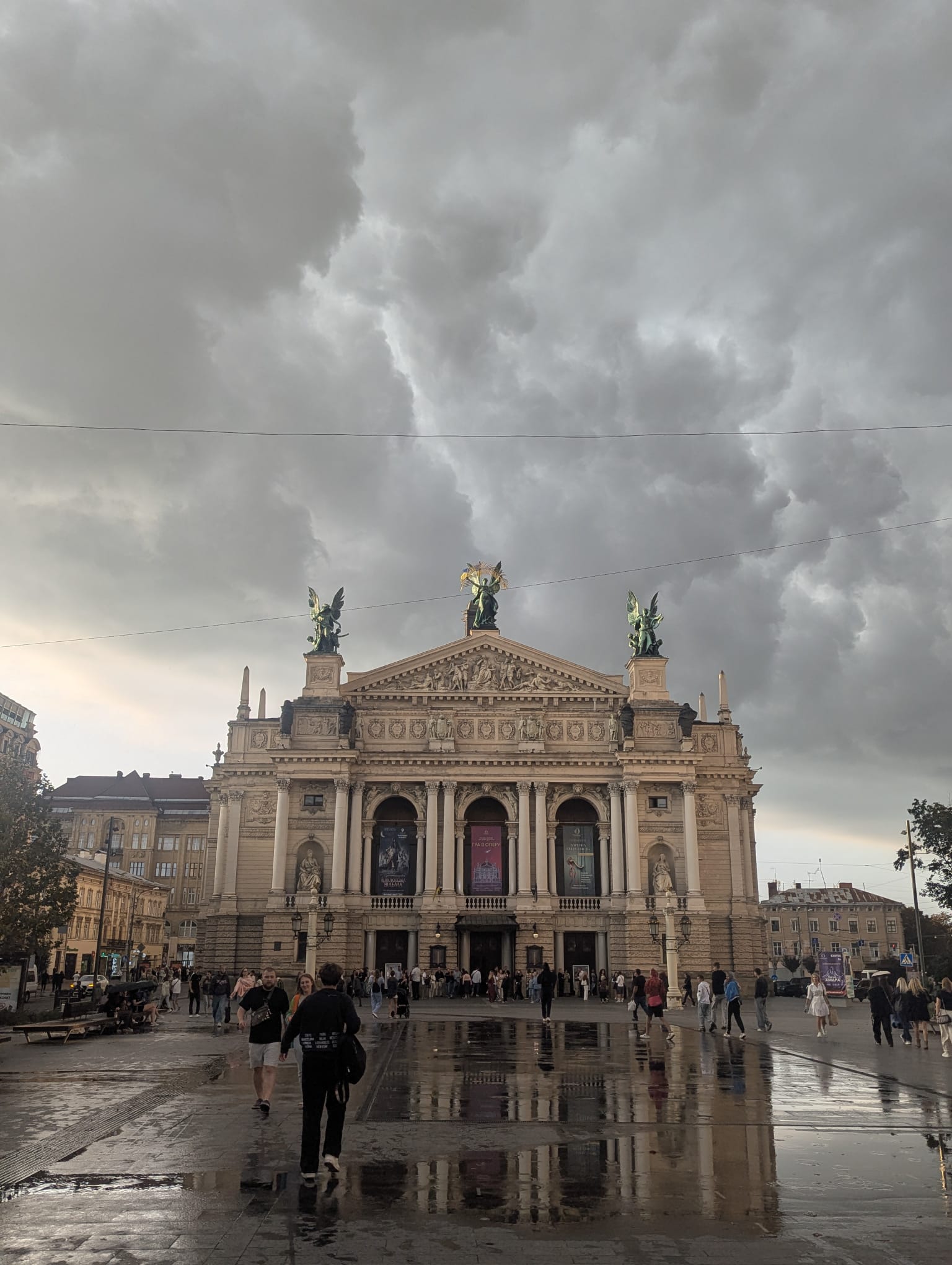
A flurry of images races through my mind. The pale yellow facades of the streets of Lviv, that glimmered in the heat of the first weeks of my stay. The mosquitos in the Kyiv subway that drove me crazy during nightly attacks on the capital. The portraits of missing soldiers exhibited in a city park with the slogan, ‘we keep faith, we are waiting.’ The big fluffy ginger cat the Lviv-neighbors carried down to the ground floor during drone attacks. While I was petting him, someone tried to explain to me that when you hear the drone very loud, that’s good actually, because it means it is not near, which confused me greatly.
I see glimpses of my visit to an art exhibition in Lviv’s Jam Factory, where I read a quote by Paul Celan: Niemand/zeugt für den/Zeugen – no one bears witness for the witness, on the day the town where he was born, Chernivtsi, was reported to be under attack.
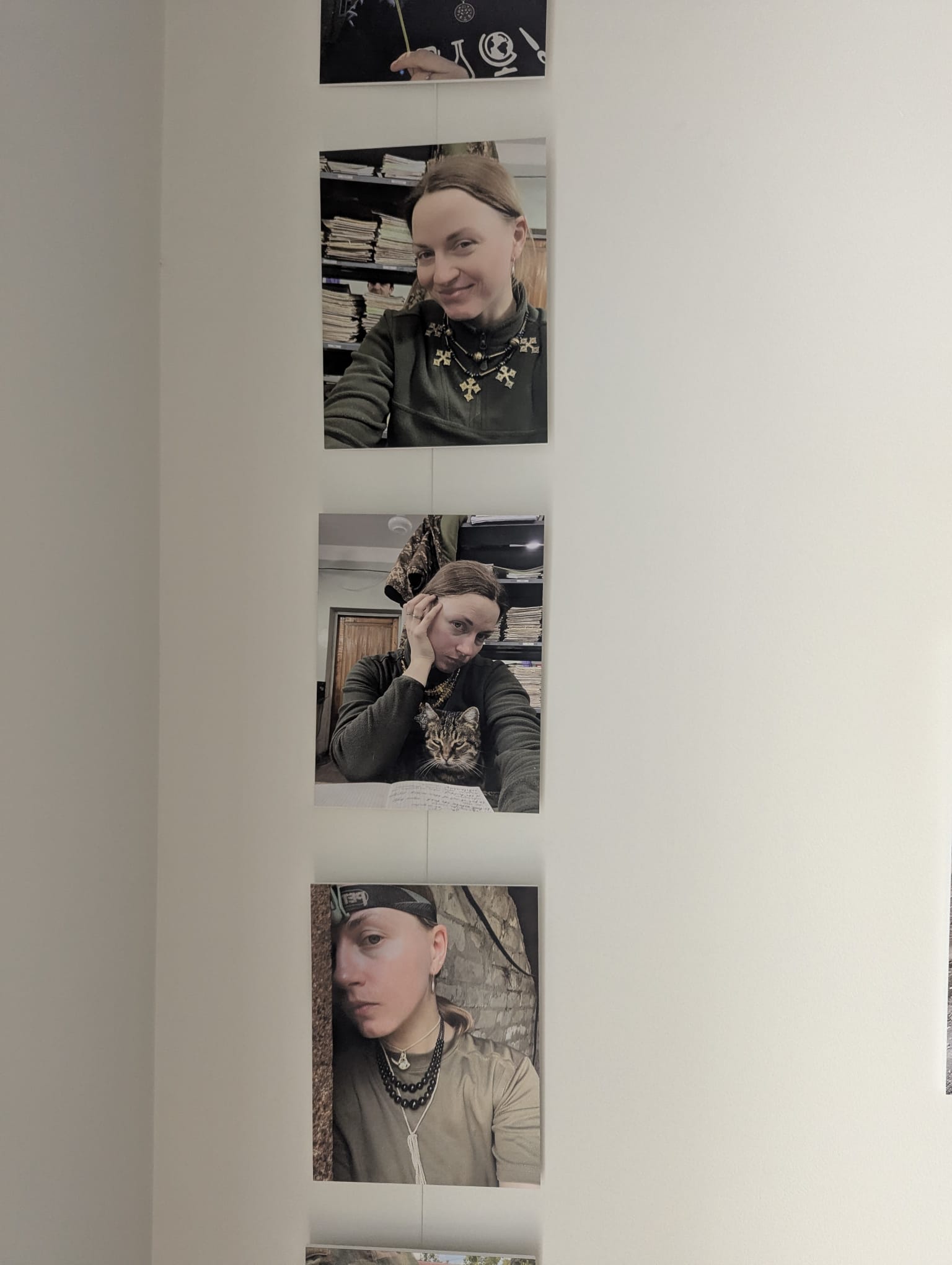
I see the piercing eyes of Viktoria Amelina from the cover of her book Looking at Women Looking at War, and of Alla “Ruta” Pushkarchuk, looking at me from her self-portraits from the frontline, exhibited all around me in the INDEX fellows-room.
I see the round, friendly face of a chatty taxi driver, a veteran who handed out psalm books to me and apparently everyone he met. He was the one to drive me to interview Alla's mother about the loss of her daughter. A conversation that haunts me to this day and for which I still feel I should carve out some time to cry over.
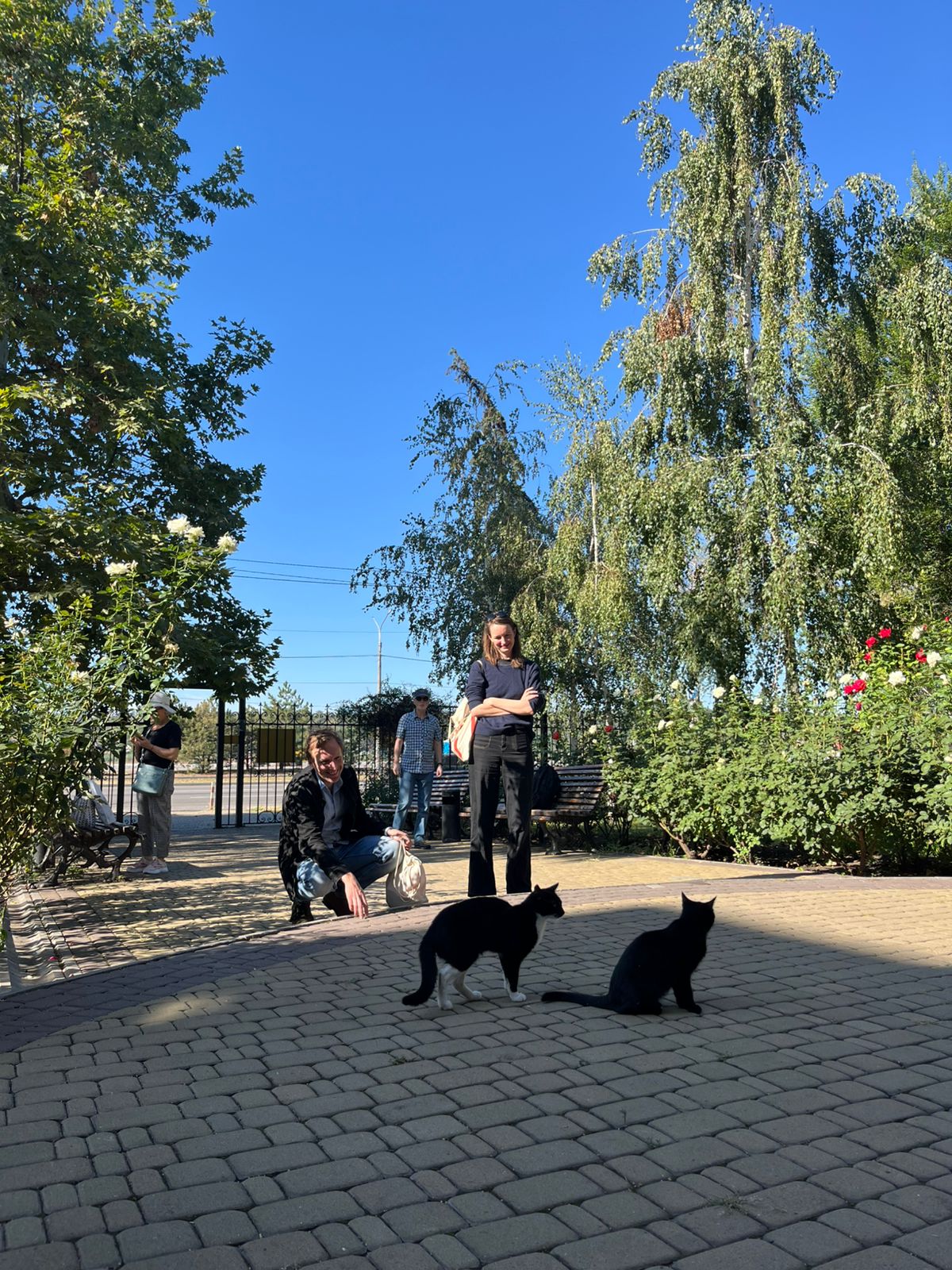
I see flashes of the Venice-themed river-side hotel in Zaporizhzhia, with a pair of huge, depressed-looking fish in the small aquarium under the lobby, where I first experienced an aerial glide bomb threat and petted cute black cats on the lawn the morning after.
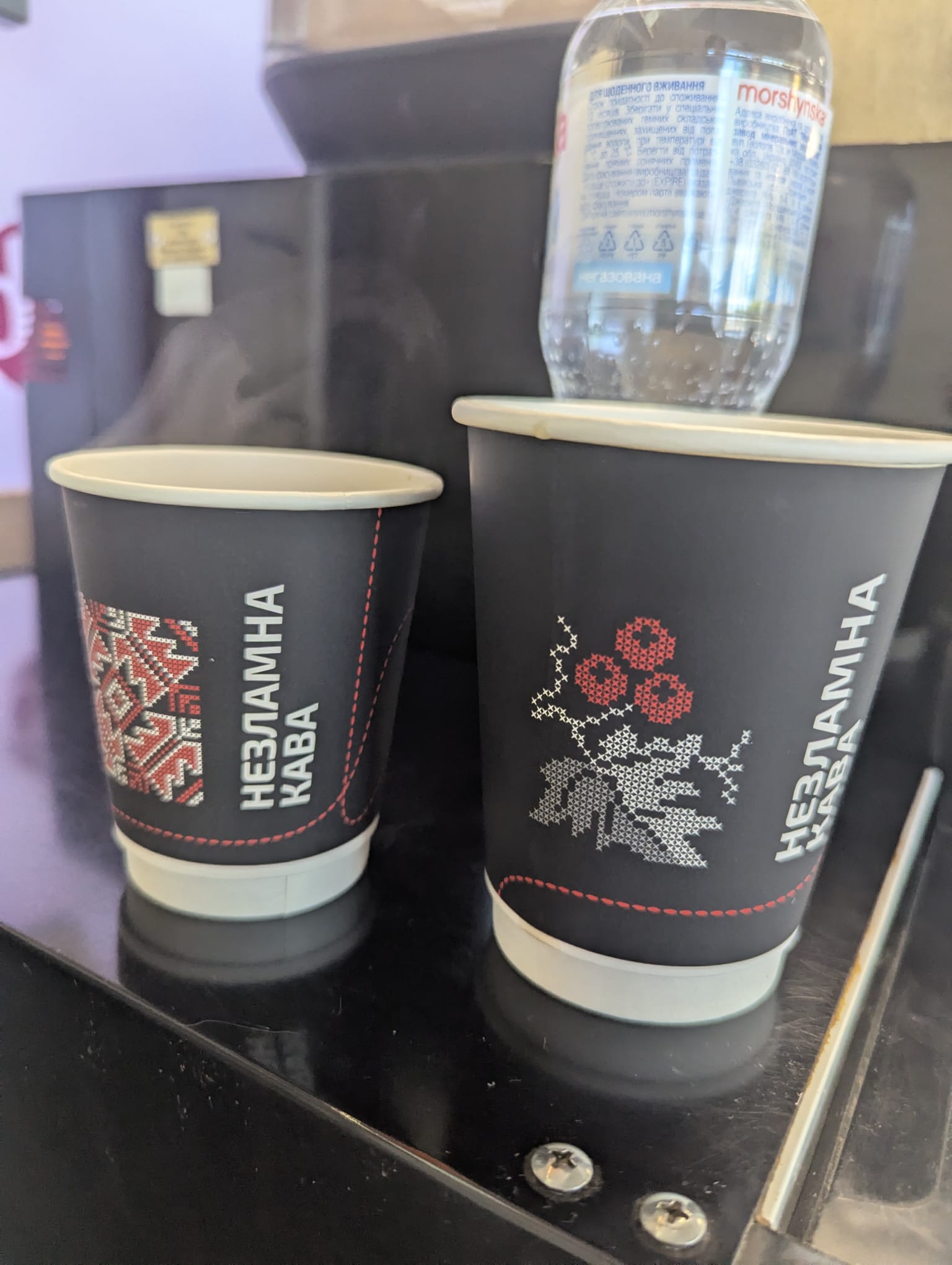
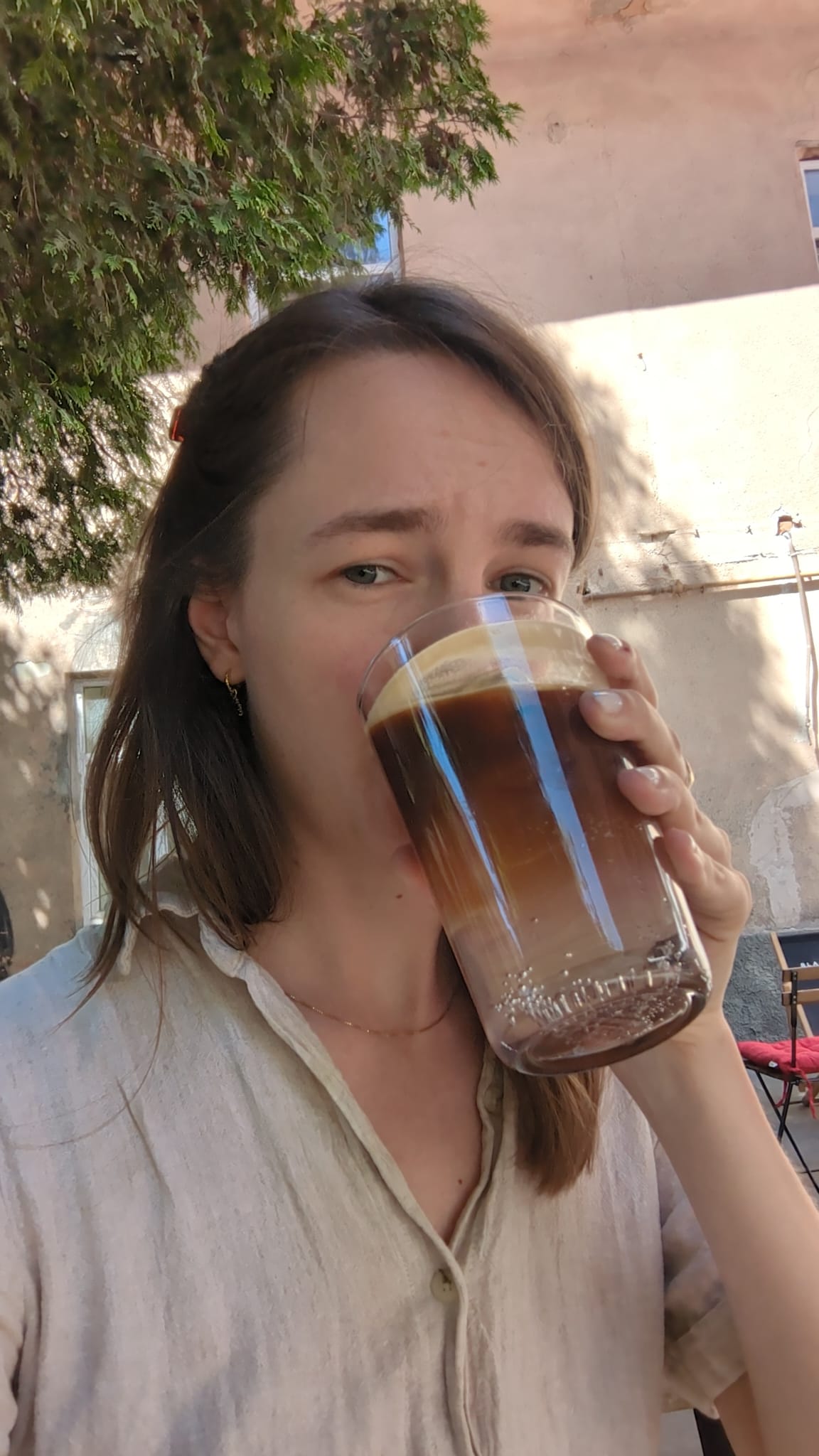
And I remember the delight of my many espresso tonics, a drink we don’t have yet in Amsterdam that offers a perfect mix of stale and sparkly. But I know that if I hear myself bring up the goddamn Ukrainian coffee culture one more time, I will start rolling my eyes at my own words.
What was it like?
It’s the most basic question, something that I should have an answer to, since the reason I went in the first place was to be able to convey to a foreign audience what it is like in Ukraine. Maybe I should refer to a C.S. Lewis quote that I found, about how one never meets just “War, or Unhappiness (or Happiness). One only meets each hour or moment that comes. All manner of ups and downs. […] One never gets the total impact of what we call ‘the thing itself’. But we call it wrongly. The thing itself is simply all these ups and downs: the rest is a name or an idea.”
But I don’t really know this quote by heart, and that also makes it all sound so high-minded and semantic. Maybe I should stick to just talking about the physical sensations I had.
I became acutely aware of the fragility of my body. It changed the way I see buildings, imagined how they would look if hit by a rocket. I started to see glass windows as potential enemies. It changed the way I looked at the sky. I felt the vulnerability of the veins in my neck.
It’s so hard to explain that on the one hand, it is ok, it was a privilege to live in Ukraine, and it was not so brave, because it is actually very nice. But also no, things are not ok at all, and no one should assume anyone could hold out under the circumstances the Ukrainians live under. But sure, they will hold out, of course.
Someone told me how she felt that everything made sense in Ukraine. I think I understand what she meant: everything became loaded with meaning. Even taking a bath became resistance in the form of self-care. On the other hand, taking a bath became shame- and guilt-ridden. Who am I to be able to enjoy this bath? That does not make any sense whatsoever.
I want to resist the idea that visiting a country in war can function as self-help, an experience to draw some inspirational lessons from. But it is true, I felt a fullness and maybe even a realness to life in Ukraine. Does that imply a fakeness of life over here? How to talk about all this without idealizing war?
I realize I have been silent for too long; I should just start talking now and see where my words take me.
“Well. It was sometimes a lot of fun, sometimes it was really heart-wrenching. But it was definitely very interesting. And, you know, very, ehm… valuable.”
“Right.” My colleague seems underwhelmed.
“It’s hard to explain in a few words,” I say defensively.
“Right,” she replies again.
Then, without missing a beat, she asks my second-favorite question since I’ve come home.
“So, how do the Ukrainians feel about everything that’s going on?”