
A DNA match
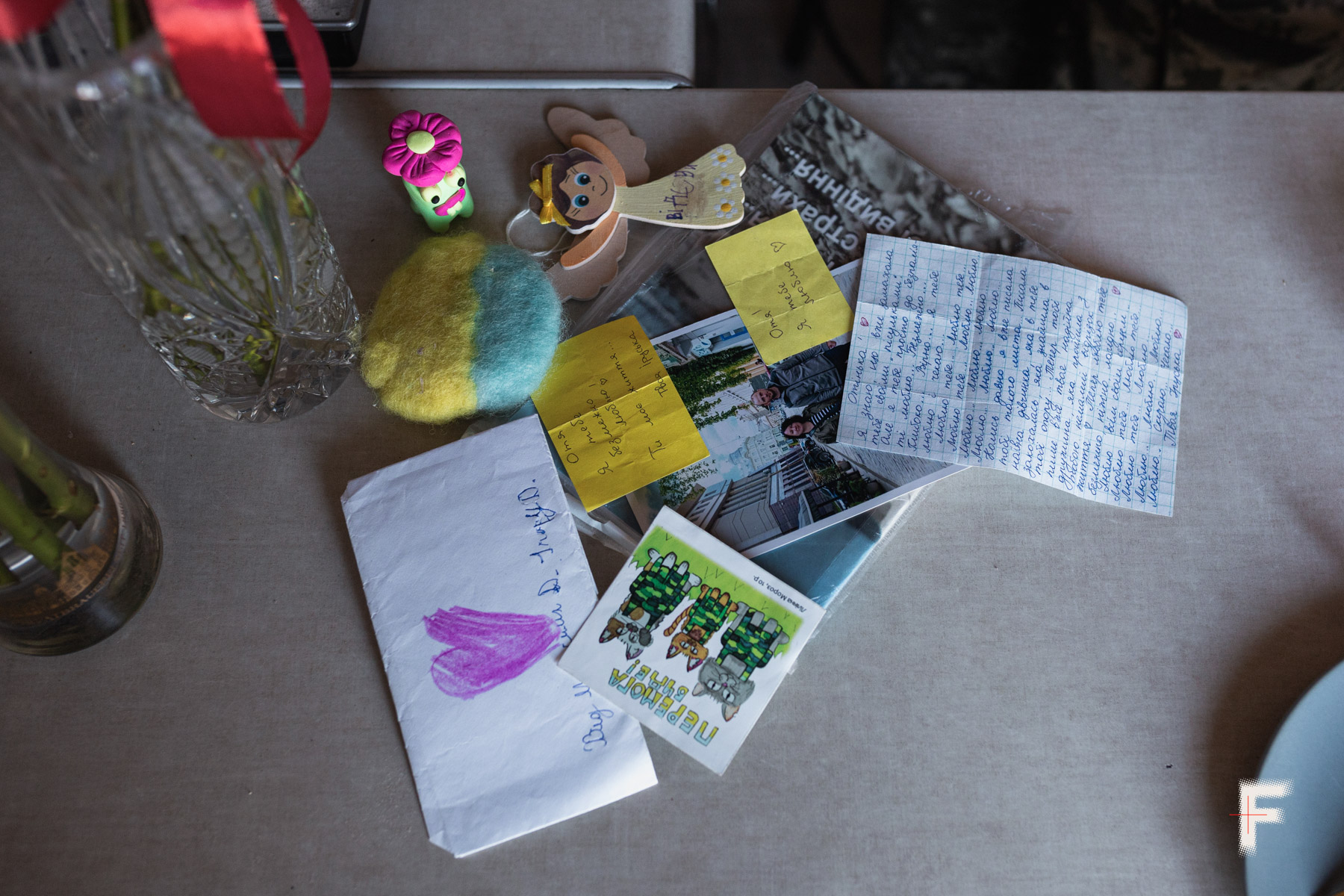
I spoke to dozens of people looking for missing relatives. Most of them hoped for good news. I don't remember what I felt during these conversations. Perhaps I shared the hope, but it was reflexive, like students shaking their heads in a lecture. Something kept me from crossing the line and drowning in these stories. I am distanced, which means I can continue to interview and write.
In the morning, I received a message on Viber, which I almost never open. It was from one of the subjects of my stories. In the autumn of 2024, she was trying to get on the trail of her lover, the father of her two young children. In the midst of the fighting in the east of the country, he returned to Ukraine from abroad and joined the Armed Forces. I think you can guess what she wrote about. But let me clarify.
— "Unfortunately, there is a DNA match. Can you help me write a petition to award the title of Hero of Ukraine (posthumously)?"
— "Of course, I will write it. Can I help with anything else?"
— "No, only with the petition. Thank you very much. Please send your card number and the amount."
(What in the hell does she mean by amount?!)
In the following days, I was constantly thinking about this woman and her children. Then I realised that I was not completely distant after all. And I remembered other facts.
I rarely keep in touch with the subjects of my reports. But for some reason, it is different with the wives of missing soldiers. It's not that we meet up for coffee, but we still congratulate each other on holidays. There is a book by a wife of a missing soldier on the bookshelf next to my bed. When I look at photos from rallies, I recognise my women among the hundreds of people holding banners and posters about the missing. Sometimes I think about them involuntarily. She posted photos near the famous stele in the Donetsk region: did she really go to war as she wanted? Does her boy still go to karate classes, and is he still always late?
How does she feel about her son going to another city to attend a military lyceum, about her empty house?

Photo: Diana Deliurman for Frontliner
I cannot describe what the families of missing persons go through. I can only recount what I was told and touch the tip of the iceberg. A friend of mine, also a journalist, worked in the Caucasus and wrote about missing persons there. In Sakartvelo, she often heard the following pattern: when someone knocks on the door, even decades later, it gives them hope. Modern warfare sets new rules. Instead of waiting, people are starting to act, even though they feel that life has been put on hold. One of the women travelled all over the east, visiting stabilisation points and hospitals, she went close to the frontline just to hear at least something about her husband between explosions. That's why other relatives of the missing people kindly tease her: ‘Do you have combatant status now?’
They wake up and fall asleep with their phones in their hands. They monitor Russian Telegram channels, sifting through gigabytes of horrific content. And miracles did do just happen on their own, their relatives bring them closer. For example, one of the wives recognised her husband in a Russian video with Ukrainian prisoners on TikTok. She paid a specialist to conduct a portrait examination. He confirmed that it was her husband in the video.
Relatives are collecting DNA samples — the test can confirm death. But this is just a formality; the women do not lose hope. In that morning message, I found out that after more than a year of waiting, someone did have a DNA match.
I didn't know how to write this petition. I had never seen this man, although I had been to his house and met his children. I did not know how to write a petition full stop. Now I know how to write a petition and I know that I am far from being detached.

Photo: Diana Deliurman for Frontliner
In Ukraine, we often hear from enlightened people (without sarcasm) that our situation is not a sprint, but a marathon. So we have to take care of our psyche, take care of ourselves and our families, so as not to fall while running. But I've seen that in Ukraine, people don't know how to do anything half-heartedly. It's like with love, you plunge into it and don't think about the consequences.
RIP Roman
Photo: Diana Deliurman for Frontliner